
What Is Physical Therapy? Benefits and When to Start
Discover how physical therapy relieves pain, restores mobility, and supports recovery through evidence-based rehabilitation.
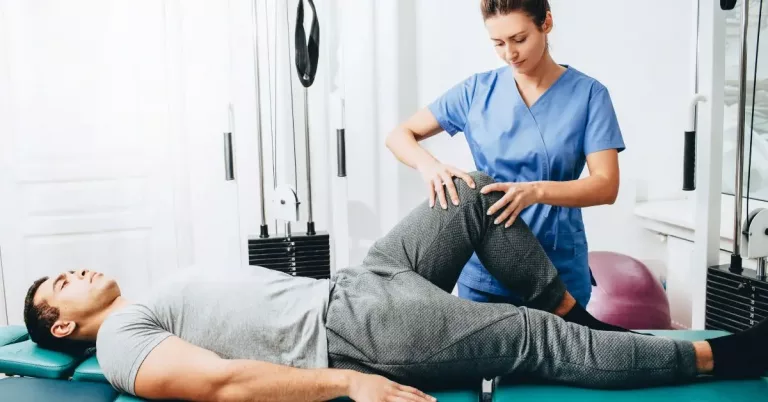
Physical therapy, also known internationally as physiotherapy is one of the most effective ways to relieve pain, restore mobility, and improve quality of life after an injury, surgery, or medical condition. Beyond rehabilitation, it also plays a key role in preventing injuries, improving physical function, and helping people remain active and independent throughout every stage of life.
Whether you're recovering from a sports injury, managing chronic pain, or healing after surgery, a personalized physical therapy program can help you move better, recover faster, and return safely to your daily activities.
At BlueNetHospitals, our Physical Therapy and Rehabilitation specialists develop individualized treatment plans based on the latest scientific evidence to help patients regain strength, mobility, and confidence.
What Is Physical Therapy?Physical therapy is a healthcare specialty focused on preventing, evaluating, treating, and rehabilitating conditions that affect movement, physical function, and overall mobility.
According to World Physiotherapy and the American Physical Therapy Association (APTA), licensed physical therapists use evidence-based techniques to reduce pain, improve mobility, restore strength, and help patients recover from injury, surgery, or illness.
Treatment may include:
- Therapeutic exercise
- Manual therapy
- Movement and posture education
- Functional movement training
- Balance and coordination exercises
- Electrical stimulation, when clinically indicated
- Therapeutic ultrasound for selected conditions
- Heat and cold therapy
The primary goal is to restore function, reduce pain, and help patients safely return to their daily activities while reducing the risk of future injuries.
Who Can Benefit from Physical Therapy?People of all ages can benefit from physical therapy, from children to older adults.
Physical therapy is commonly recommended for patients with:
- Sports injuries
- Back pain
- Neck pain
- Joint pain
- Muscle injuries
- Sprains and strains
- Tendinitis
- Fractures
- Arthritis and osteoarthritis
- Balance disorders
- Neurological conditions
- Stroke recovery
- Hip or knee replacement surgery
- Chronic pain
- Postoperative rehabilitation
Physical therapy is also valuable before certain orthopedic procedures, helping improve strength and mobility before surgery and supporting a faster recovery afterward.
Benefits of Physical TherapyA personalized rehabilitation program offers numerous health benefits.
These include:
- Reducing pain
- Improving mobility and flexibility
- Restoring muscle strength
- Enhancing balance and coordination
- Speeding recovery after surgery
- Preventing future injuries
- Improving posture
- Increasing independence
- Enhancing overall quality of life
Every treatment plan is tailored to the patient's diagnosis, goals, lifestyle, and functional needs.
What Happens During a Physical Therapy Session?The first appointment begins with a comprehensive evaluation.
Your Physical Therapist will assess:
- Medical history
- Diagnosis
- Pain level
- Range of motion
- Muscle strength
- Balance
- Functional abilities
- Personal recovery goals
Using this information, a customized treatment plan is created to address your specific needs.
Most sessions last 45 to 60 minutes, depending on your condition and rehabilitation goals.
As you progress, your treatment plan is adjusted to maximize recovery.
Common Physical Therapy TechniquesModern physical therapy combines several evidence-based treatment approaches.
Therapeutic ExerciseExercise is the foundation of most rehabilitation programs.
It improves:
- Strength
- Flexibility
- Endurance
- Stability
- Functional movement
Hands-on techniques help improve joint mobility, reduce muscle tension, decrease pain, and restore normal movement.
Functional Movement TrainingPatients learn safer, more efficient movement patterns for daily activities, work, and sports.
Electrical StimulationElectrical stimulation may be used as an adjunct treatment to help reduce pain or improve muscle activation in selected cases.
Heat and Cold TherapyHeat and cold modalities can help control pain, reduce inflammation, and support recovery when clinically appropriate.
Conditions Commonly Treated with Physical TherapyPhysical therapy is effective for a wide range of musculoskeletal and neurological conditions.
Back PainOne of the most common reasons patients seek physical therapy.
Poor posture, prolonged sitting, muscle weakness, and improper lifting techniques often contribute to low back pain.
Neck PainExtended computer use, poor ergonomics, and excessive smartphone use have significantly increased neck pain and muscle tension.
Sports InjuriesPhysical therapists frequently treat:
- Ankle sprains
- Muscle strains
- Ligament injuries
- Rotator cuff injuries
- Tendinitis
- Knee injuries
The goal is to restore performance while reducing the risk of reinjury.
Fracture RehabilitationAfter immobilization, rehabilitation helps restore joint mobility, muscle strength, coordination, and function.
Arthritis and Joint ReplacementPatients recovering from hip or knee replacement surgery benefit from physical therapy before and after surgery to regain mobility and independence.
Neurological RehabilitationPatients with neurological disorders such as:
- Stroke
- Parkinson's disease
- Multiple sclerosis
- Spinal cord injuries
may benefit from specialized rehabilitation programs designed to improve mobility, balance, and independence.
Post-Surgical RehabilitationPhysical therapy is an essential part of recovery following orthopedic, trauma-related, and many other surgical procedures.
Early rehabilitation often leads to better long-term outcomes.
When Should You See a Physical Therapist?Consider scheduling an evaluation if you experience:
- Persistent muscle or joint pain
- Difficulty walking or moving
- Sports injuries
- Limited range of motion
- Frequent back or neck pain
- Balance problems
- Muscle weakness
- Recovery after surgery
- Difficulty performing daily activities
Seeking care early often helps prevent complications and promotes faster recovery.
Physical Therapy Helps Prevent Injuries TooPhysical therapy isn't only for recovery—it also plays an important role in injury prevention.
A Physical Therapist can identify:
- Muscle imbalances
- Poor posture
- Movement dysfunction
- Weakness
- Flexibility limitations
Addressing these issues early can reduce the risk of future injuries and improve physical performance.
Better Movement Means Better Quality of LifeThe goal of physical therapy extends beyond pain relief.
It helps people regain independence, improve physical function, return to work or sports safely, and maintain an active, healthy lifestyle.
Whether recovering from an injury or managing a chronic condition, physical therapy empowers patients to move with greater confidence and comfort.
Expert Physical Therapy and Rehabilitation in Los CabosAt BlueNetHospitals, our Physical Therapy and Rehabilitation specialists provide comprehensive care for sports injuries, back pain, joint disorders, postoperative recovery, neurological rehabilitation, and other conditions affecting mobility.
Every rehabilitation program is personalized using the latest evidence-based treatment strategies to help patients achieve the best possible outcomes.
Schedule an Appointment with a Physical TherapistIf you're experiencing persistent pain, recovering from surgery, dealing with a sports injury, or struggling with mobility, early rehabilitation can help you recover more effectively and prevent future complications.
At BlueNetHospitals, our Physical Therapy and Rehabilitation team provides personalized treatment plans focused on restoring movement, relieving pain, and improving your quality of life.
📲 Schedule your appointment via WhatsApp: +52 (624) 151 0693
Receive expert Physical Therapy and Rehabilitation services in Los Cabos and take the first step toward moving better and living pain-free.
Frequently Asked Questions1. What is physical therapy?
Physical therapy is a healthcare specialty that helps prevent, treat, and rehabilitate injuries, movement disorders, and physical impairments using evidence-based techniques and therapeutic exercise.
2. Who should see a Physical Therapist?Anyone experiencing pain, mobility limitations, sports injuries, neurological conditions, or recovering from surgery may benefit from physical therapy.
3. Can physical therapy help avoid surgery?In some cases, yes. Conservative treatment through physical therapy may reduce pain, improve function, and delay or eliminate the need for surgery, depending on the condition.
4. How long does a physical therapy session last?Most sessions last 45 to 60 minutes, although treatment duration varies based on each patient's needs.
5. Does physical therapy hurt?Some treatments may cause temporary discomfort as tissues heal, but therapy should always be adapted to each patient's tolerance and goals.
6. When should rehabilitation begin after surgery?The appropriate timing depends on the type of surgery performed. Your surgeon and Physical Therapist will determine the safest rehabilitation plan.
7. Where can I receive physical therapy in Los Cabos?At BlueNetHospitals, our Physical Therapy and Rehabilitation specialists provide evidence-based treatment for musculoskeletal injuries, neurological conditions, chronic pain, and postoperative recovery.





Trending Topics
Stroke: Symptoms, Causes & Treatment
Learn how to recognize stroke symptoms, understand its causes, and why emergency treatment can save brain function and lives.
Varicocele
Symptoms, Causes, Diagnosis, and Treatment to Protect Men's Health
Pregnancy infections (TORCH)
Risks, testing, and prevention
Anemia in Women of Reproductive Age
Symptoms, Causes, and Prevention
Health Library
Physiotherapy
- Do You Need an Appointment with a Specialist?
- call us
- write us
- let's talk

