
Can Headphones Damage Your Hearing? Prevention Tips
Learn how headphone use can affect hearing, recognize early warning signs, and protect your hearing health.
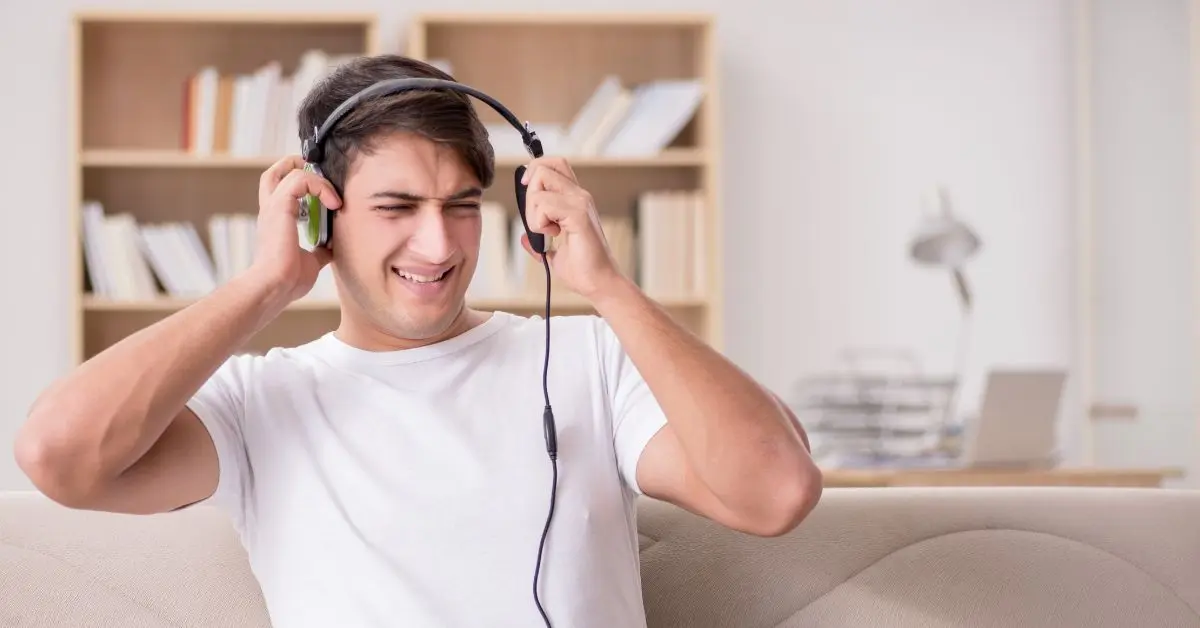
Listening to music, podcasts, or phone calls through headphones has become part of everyday life. However, using headphones at high volumes for extended periods can lead to noise-induced hearing loss, a condition that is often permanent but largely preventable.
According to the World Health Organization (WHO), more than one billion adolescents and young adults worldwide are at risk of hearing loss due to unsafe listening practices, including prolonged headphone use at high volumes and frequent exposure to loud recreational noise.
The good news is that adopting safe listening habits can help protect your hearing for years to come.
At BlueNetHospitals, our ENT (Ear, Nose, and Throat) Specialists (Otolaryngologists) provide comprehensive hearing evaluations to detect early signs of hearing loss, tinnitus, and other noise-related ear conditions before they become more serious.
Can Headphones Cause Hearing Loss?Yes—but it's not the headphones themselves that damage your hearing.
The real risk comes from listening at high volume levels for long periods of time.
Today's smartphones, tablets, and personal music players can produce sound levels between 100 and 110 decibels (dB)—similar to the noise generated at a live concert or by heavy machinery.
For comparison:
- Normal conversation: 50–60 dB
- Heavy traffic: 80–85 dB
- Headphones at maximum volume: 100–110 dB
- Airplane takeoff: 120–130 dB
The louder the sound, the less time it takes to cause permanent hearing damage.
How Does Loud Noise Damage Your Hearing?Inside the inner ear are thousands of tiny sensory hair cells that convert sound vibrations into electrical signals your brain interprets as hearing.
Repeated exposure to loud sounds can permanently damage these delicate hair cells.
Unlike many other cells in the body, inner ear hair cells do not regenerate, meaning that once they are damaged, the resulting hearing loss is usually permanent.
This condition is known as noise-induced sensorineural hearing loss (NIHL) and is one of the leading causes of preventable hearing loss worldwide.
Early Signs of Hearing Loss from Headphone UseNoise-induced hearing loss usually develops gradually, making it easy to overlook during its early stages.
Common warning signs include:
- Difficulty understanding conversations, especially in noisy environments.
- Frequently increasing the volume on your phone or television.
- Hearing people speak but struggling to understand the words.
- Frequently asking others to repeat themselves.
- Ringing, buzzing, or humming in one or both ears (tinnitus).
- A feeling of fullness or muffled hearing after listening to music.
- Gradually worsening hearing.
If you notice any of these symptoms, schedule an evaluation with an ENT Specialist (Otolaryngologist) as soon as possible.
Who Is Most at Risk?Anyone can develop hearing loss from excessive noise exposure, but the risk is higher for people who:
- Wear headphones for several hours each day.
- Listen to music at high volume.
- Work in noisy environments.
- Frequently attend concerts, festivals, or nightclubs.
- Increase headphone volume to block outside noise.
- Rarely give their ears time to recover between listening sessions.
Teenagers and young adults are among the most vulnerable groups because of their frequent use of personal audio devices.
The 60/60 Rule: A Simple Way to Protect Your HearingMany hearing specialists recommend following the 60/60 Rule as an easy guideline for safer listening.
The rule suggests:
- Listening at no more than 60% of your device's maximum volume.
- Limiting continuous headphone use to 60 minutes at a time, followed by a listening break.
The World Health Organization also recommends minimizing prolonged exposure to loud sounds and reducing listening time as volume increases.
Giving your ears regular breaks can significantly lower your risk of permanent hearing damage.
Tips to Protect Your HearingHealthy listening habits can make a significant difference.
To protect your hearing:
- Keep the volume below 60% whenever possible.
- Use noise-canceling headphones to avoid turning up the volume in noisy places.
- Limit continuous listening sessions.
- Give your ears regular breaks throughout the day.
- Avoid sleeping with headphones on.
- Enable your smartphone's volume limiter if available.
- Wear hearing protection at concerts, sporting events, or noisy workplaces.
- Schedule regular hearing evaluations if you frequently use headphones or are exposed to loud environments.
You should schedule an appointment if you experience:
- Persistent ringing in your ears (tinnitus).
- Difficulty hearing conversations.
- A noticeable decrease in hearing.
- A feeling of blocked or muffled ears that doesn't improve.
- Ear discomfort after using headphones.
- Frequent exposure to loud noise.
Early diagnosis allows hearing problems to be identified before they progress.
How Is Hearing Loss Diagnosed?An ENT Specialist (Otolaryngologist) will begin with a detailed medical history and a comprehensive ear examination.
Depending on your symptoms, additional hearing tests may include:
- Pure-tone audiometry.
- Speech audiometry.
- Tympanometry.
- Otoacoustic emissions (OAE).
- Other specialized hearing assessments.
These tests help determine the type and severity of hearing loss so the most appropriate treatment plan can be recommended.
Can Noise-Induced Hearing Loss Be Reversed?It depends on the underlying cause.
When hearing loss results from permanent damage to the inner ear hair cells caused by prolonged noise exposure, it usually cannot be reversed.
This is why prevention and early detection remain the most effective ways to preserve long-term hearing health.
Protect Your Hearing Today for a Healthier TomorrowNoise-induced hearing loss often develops slowly and without obvious symptoms until communication becomes more difficult.
By practicing safe listening habits, keeping headphone volume at safe levels, and scheduling routine hearing evaluations, you can protect your hearing and maintain a better quality of life.
Expert ENT Care in Los CabosAt BlueNetHospitals, our ENT Specialists (Otolaryngologists) diagnose and treat hearing loss, tinnitus, ear disorders, and noise-related hearing damage.
Using advanced diagnostic technology, we provide comprehensive hearing evaluations and personalized treatment plans to help preserve your hearing health.
Schedule an Appointment with an ENT SpecialistIf you've noticed changes in your hearing, persistent ringing in your ears, or difficulty understanding conversations after using headphones or being exposed to loud noise, an evaluation by an ENT Specialist can help identify the cause and protect your hearing.
📲 Schedule your appointment via WhatsApp: +52 (624) 151 0693
Receive expert ENT (Otolaryngology) care in Los Cabos and take the first step toward protecting your hearing.
Frequently Asked Questions1. Can headphones cause hearing loss?
Yes. Listening to music or other audio at high volume for extended periods can permanently damage the delicate hair cells inside the inner ear, leading to noise-induced hearing loss.
2. What is a safe headphone volume?Hearing specialists commonly recommend following the 60/60 Rule: listen at no more than 60% of your device's maximum volume for no longer than 60 minutes at a time before taking a break.
3. What are the first signs that headphones may be affecting my hearing?Early symptoms include ringing in the ears (tinnitus), difficulty understanding conversations, frequently increasing the volume on devices, and muffled hearing after listening to music.
4. Can headphones cause tinnitus?Yes. Repeated exposure to loud sounds through headphones can trigger tinnitus, often described as ringing, buzzing, or humming in the ears.
5. Is noise-induced hearing loss treatable?Treatment depends on the cause. Unfortunately, permanent damage to the inner ear hair cells cannot usually be reversed, making prevention the best approach.
6. How can I protect my hearing?Keep headphone volume at moderate levels, limit listening time, use noise-canceling headphones when possible, wear hearing protection in loud environments, and schedule regular hearing evaluations if you're frequently exposed to loud noise.
7. Where can I see an ENT Specialist for hearing loss in Los Cabos?At BlueNetHospitals, our ENT Specialists (Otolaryngologists) provide expert diagnosis and treatment for hearing loss, tinnitus, and other ear disorders using personalized, evidence-based care.


Trending Topics
Stroke: Symptoms, Causes & Treatment
Learn how to recognize stroke symptoms, understand its causes, and why emergency treatment can save brain function and lives.
Varicocele
Symptoms, Causes, Diagnosis, and Treatment to Protect Men's Health
Pregnancy infections (TORCH)
Risks, testing, and prevention
Anemia in Women of Reproductive Age
Symptoms, Causes, and Prevention
Health Library
Otorhinolaryngology
- Do You Need an Appointment with a Specialist?
- call us
- write us
- let's talk

