
When Should You See an Ophthalmologist? 7 Warning Signs
Learn the warning signs of eye disease and when to schedule a comprehensive eye exam.
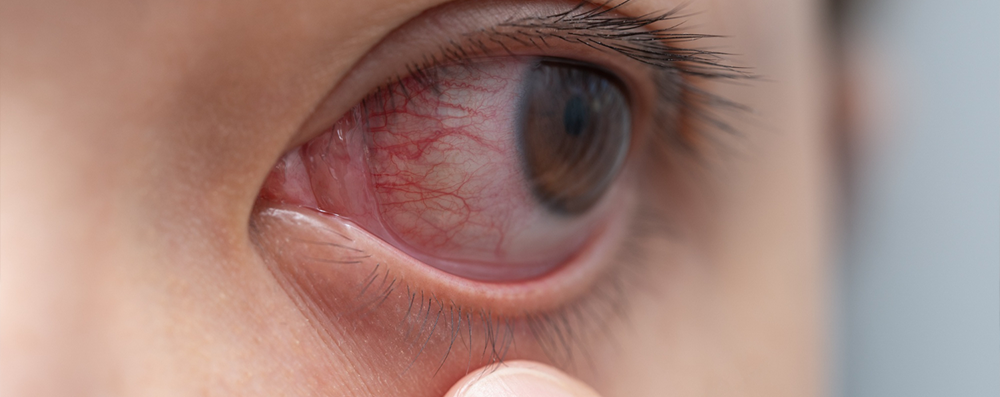
Many people delay seeing an Ophthalmologist because they assume their eye symptoms are caused by fatigue, too much screen time, or simply getting older. However, blurred vision, eye pain, flashes of light, or sudden changes in your eyesight can be early signs of eye conditions that require prompt medical attention.
A comprehensive eye exam does much more than determine whether you need glasses. It can also detect eye diseases such as glaucoma, cataracts, macular degeneration, diabetic retinopathy, and other conditions before they permanently affect your vision.
At BlueNetHospitals, our Ophthalmologists provide comprehensive eye evaluations using advanced diagnostic technology to help protect your vision and eye health.
Why Are Regular Eye Exams Important?Many eye diseases develop gradually and may not cause noticeable symptoms in their early stages.
A comprehensive eye examination can help:
- Detect changes in your vision prescription.
- Identify eye diseases before they affect your eyesight.
- Evaluate your retina, optic nerve, and eye pressure.
- Prevent long-term vision complications.
- Preserve healthy vision throughout your life.
Early detection remains one of the most effective ways to prevent vision loss.
1. Blurred Vision or Trouble FocusingBlurred vision is one of the most common reasons people schedule an appointment with an Ophthalmologist.
You may notice difficulty:
- Reading small print.
- Driving, especially at night.
- Seeing road signs.
- Working on a computer.
- Recognizing faces from a distance.
Blurred vision may be caused by:
- Nearsightedness (myopia)
- Farsightedness (hyperopia)
- Astigmatism
- Presbyopia
- Cataracts
- Retinal diseases
- Diabetes-related eye conditions
If your vision isn't as sharp as it used to be, it's time for a comprehensive eye exam.
2. Floaters or Flashes of LightSeeing a few eye floaters occasionally can be a normal part of aging.
However, you should seek immediate medical attention if you notice:
- A sudden increase in floaters.
- Bright flashes of light.
- A shadow or curtain blocking part of your vision.
- Sudden loss of peripheral vision.
These symptoms may indicate a retinal tear or retinal detachment, both of which require urgent evaluation to prevent permanent vision loss.
3. Eye PainEye pain should never be ignored.
It may be caused by:
- Eye infections.
- Eye inflammation.
- Corneal injuries.
- Elevated eye pressure.
- Acute glaucoma.
If eye pain is severe, develops suddenly, or is accompanied by blurred vision, seek immediate medical care.
4. Frequent HeadachesNot every headache is related to your eyes, but vision problems can sometimes be the underlying cause.
Headaches may occur due to:
- An outdated glasses prescription.
- Eye strain.
- Focusing difficulties.
- Long hours of reading or screen use.
A complete eye examination can determine whether your symptoms are related to your vision.
5. Red, Irritated, or Burning EyesPersistent eye redness, burning, or the feeling that something is stuck in your eye may be signs of:
- Dry eye syndrome.
- Eye allergies.
- Conjunctivitis (pink eye).
- Ocular surface inflammation.
If symptoms continue or keep returning, an Ophthalmologist can identify the cause and recommend the appropriate treatment.
6. Difficulty Seeing at NightIf driving after dark has become more difficult or you notice halos around lights, it could be related to:
- Cataracts.
- Refractive errors.
- Corneal disorders.
- Retinal diseases.
Night vision problems are not always a normal part of aging and should be evaluated.
7. Sudden Vision LossAny sudden change in vision is a medical emergency.
Go to the emergency department immediately if you experience:
- Partial or complete vision loss.
- Sudden blurred vision.
- Loss of vision in one eye.
- Eye pain accompanied by vision loss.
Prompt treatment can make a significant difference in preserving your eyesight.
How Often Should You Have an Eye Exam?The frequency of eye examinations depends on your age, medical history, and individual risk factors.
General recommendations include:
- Children: Follow your Pediatrician's or Ophthalmologist's recommendations.
- Adults ages 18–39: Every two years if no vision problems are present.
- Adults ages 40–64: Every one to two years.
- Adults 65 and older: Annually.
People with diabetes, high blood pressure, glaucoma, a family history of eye disease, or contact lens wearers may require more frequent examinations.
What Happens During a Comprehensive Eye Exam?Your Ophthalmologist may perform several evaluations, including:
Visual Acuity TestMeasures how clearly you see both near and far.
Refraction TestDetermines whether your eyeglass or contact lens prescription needs updating.
Eye Pressure MeasurementScreens for glaucoma before vision loss develops.
Dilated Retinal ExaminationAllows your Ophthalmologist to evaluate the retina, optic nerve, and macula.
Comprehensive Eye Health EvaluationExamines the cornea, lens, conjunctiva, eyelids, and other eye structures to detect early signs of disease.
Who Needs Eye Exams More Frequently?Some people have a higher risk of developing eye diseases and should schedule regular eye exams.
Higher-risk individuals include those who:
- Have diabetes.
- Have high blood pressure.
- Are over age 40.
- Have a family history of glaucoma or macular degeneration.
- Wear contact lenses.
- Spend long hours using digital screens.
- Have had previous eye surgery.
Many eye diseases can be successfully managed when diagnosed early. Waiting until symptoms become severe may increase the risk of permanent vision loss.
Routine eye examinations are one of the best ways to protect your eyesight and maintain lifelong eye health.
Ophthalmology Services in Los CabosAt BlueNetHospitals, our experienced Ophthalmologists provide comprehensive eye exams, early diagnosis, and advanced treatment for glaucoma, cataracts, dry eye syndrome, diabetic retinopathy, macular degeneration, and many other eye conditions.
Using state-of-the-art diagnostic technology, we deliver personalized eye care designed to preserve your vision at every stage of life.
Schedule an Appointment with an OphthalmologistIf you're experiencing blurred vision, eye pain, eye strain, redness, floaters, or any changes in your vision, a comprehensive eye evaluation can help identify the cause and determine the right treatment.
📲 Schedule your appointment via WhatsApp: +52 (624) 151 0693
Our Ophthalmologists in Los Cabos are here to help you protect your vision with expert, personalized care.
1. When should I see an Ophthalmologist?
You should schedule an appointment if you experience blurred vision, eye pain, flashes of light, new floaters, persistent redness, sudden vision changes, or any symptoms affecting your eyesight.
2. How often should I have a comprehensive eye exam?Most healthy adults should have an eye exam every one to two years. Your Ophthalmologist may recommend more frequent visits based on your age, medical conditions, or family history.
3. Does blurred vision always mean I need glasses?No. Blurred vision can also be caused by cataracts, glaucoma, retinal disorders, dry eye syndrome, diabetes, or other eye diseases.
4. Are eye floaters dangerous?Occasional floaters are common, especially with aging. However, a sudden increase in floaters—especially when accompanied by flashes of light or vision loss requires immediate evaluation by an Ophthalmologist.
5. Can headaches be caused by vision problems?Yes. An outdated prescription, eye strain, focusing disorders, or other vision problems can contribute to recurring headaches.
6. What conditions can a comprehensive eye exam detect?A complete eye examination can identify glaucoma, cataracts, diabetic retinopathy, macular degeneration, dry eye syndrome, retinal disorders, and changes in your vision prescription.
7. Where can I schedule a comprehensive eye exam in Los Cabos?At BlueNetHospitals, our Ophthalmologists provide comprehensive eye exams, advanced diagnostic testing, and personalized treatment to help protect your vision and long-term eye health.






Trending Topics
Stroke: Symptoms, Causes & Treatment
Learn how to recognize stroke symptoms, understand its causes, and why emergency treatment can save brain function and lives.
Varicocele
Symptoms, Causes, Diagnosis, and Treatment to Protect Men's Health
Pregnancy infections (TORCH)
Risks, testing, and prevention
Anemia in Women of Reproductive Age
Symptoms, Causes, and Prevention
Health Library
Ophthalmology
Learn more about:
- Do You Need an Appointment with a Specialist?
- call us
- write us
- let's talk

