
Bruxism: Symptoms, Causes & How to Stop Teeth Grinding
Learn what causes bruxism, how to protect your teeth, and when to see a Dentist.
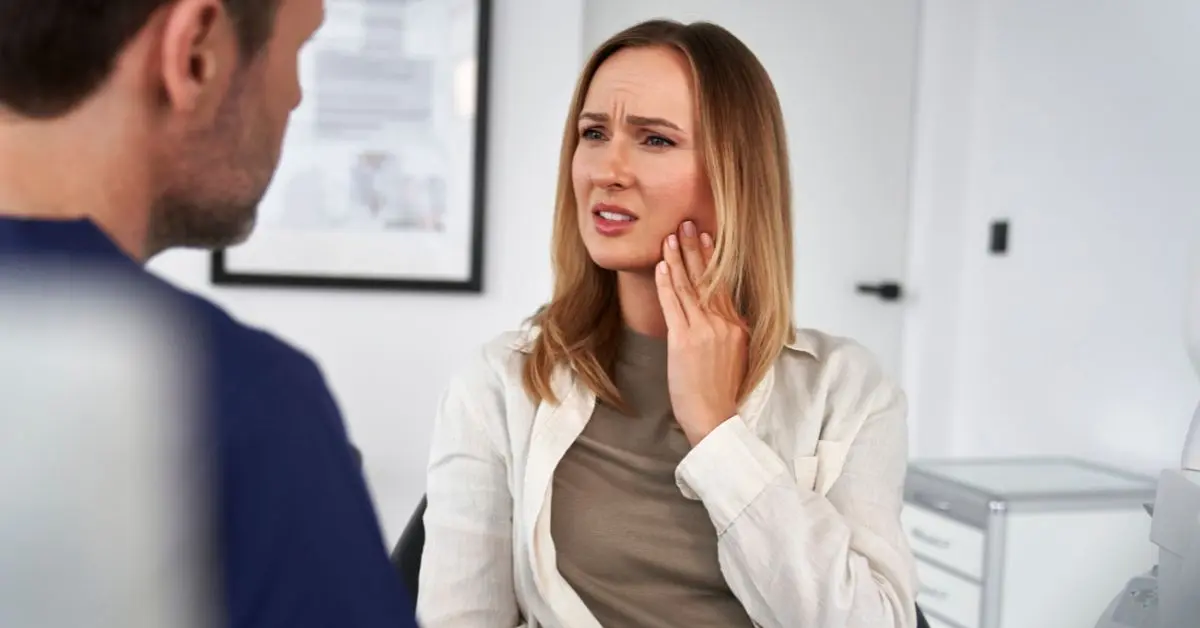
Bruxism, commonly known as teeth grinding or jaw clenching, is a common condition that can affect your oral health, jaw function, and quality of sleep. Many people don't realize they have bruxism until they develop jaw pain, worn teeth, headaches, or are told they grind their teeth while sleeping.
Although stress is one of the leading triggers, bruxism can have several underlying causes. Without proper treatment, it may lead to tooth fractures, enamel loss, temporomandibular joint (TMJ) disorders, and chronic jaw pain.
At BlueNetHospitals, our Dentistry specialists provide comprehensive evaluations to identify the cause of bruxism and develop personalized treatment plans to protect your teeth and improve your oral health.
What Is Bruxism?Bruxism is the involuntary habit of grinding, clenching, or rubbing your teeth together.
There are two main types:
Sleep Bruxism
Sleep bruxism occurs while you're asleep and is classified as a sleep-related movement disorder. Many people are unaware they have it until a partner hears the grinding or a dentist notices signs of tooth wear.
Awake bruxism occurs during the day and is often associated with stress, anxiety, concentration, or emotional tension. Many people clench their jaw without realizing it.
What Causes Bruxism?Bruxism is usually caused by a combination of physical, psychological, and lifestyle factors.
The most common causes include:
Stress and Anxiety
Emotional stress is one of the most common triggers. Increased muscle tension during the day or while sleeping can lead to jaw clenching and teeth grinding.
Bruxism has been linked to conditions such as obstructive sleep apnea (OSA), snoring, and disrupted sleep patterns.
Bite Problems
In some patients, bite misalignment or changes in the way the teeth come together may contribute to bruxism, although this is rarely the only cause.
Lifestyle Factors
Excessive caffeine, alcohol, tobacco, and certain stimulant medications may increase jaw muscle activity and worsen teeth grinding.
Bruxism Symptoms
Many people first notice bruxism when symptoms become persistent.
Common signs include:
- Jaw pain or stiffness upon waking
- Morning headaches
- Facial or neck pain
- Grinding noises during sleep
- Worn, flattened, chipped, or cracked teeth
- Tooth sensitivity to hot, cold, or sweet foods
- Difficulty opening the mouth fully
- Clicking or discomfort in the temporomandibular joint (TMJ)
- Tight jaw muscles
Without treatment, bruxism can lead to long-term oral health problems, including:
- Tooth enamel wear
- Cracked or fractured teeth
- Gum recession
- Chronic jaw pain
- TMJ disorders
- Persistent facial pain
- Frequent tension headaches
- Poor sleep quality
Early diagnosis helps prevent permanent damage to the teeth and jaw.
How Is Bruxism Diagnosed?Diagnosis begins with a comprehensive dental examination.
Your dentist will evaluate:
- Tooth wear patterns
- Bite alignment
- Jaw joint (TMJ) function
- Jaw and neck muscle tension
- Medical history and sleep habits
If a sleep disorder is suspected, additional evaluation or referral to a sleep specialist may be recommended.
Bruxism TreatmentTreatment depends on the underlying cause and the severity of the condition.
Custom Night Guard (Occlusal Guard)A custom-made night guard is one of the most effective treatments for sleep bruxism.
This transparent oral appliance is designed specifically for your teeth to:
- Protect tooth enamel
- Reduce excessive pressure on the jaw
- Help relax the jaw muscles during sleep
- Prevent further tooth damage
Professionally fitted night guards provide better protection than over-the-counter devices.
Stress ManagementWhen stress contributes to bruxism, relaxation techniques may help reduce muscle tension.
These include:
- Meditation
- Deep breathing exercises
- Yoga
- Cognitive behavioral therapy (CBT)
- Regular physical activity
Some patients may benefit from restorative dental procedures to repair damaged teeth or improve bite function when necessary.
Tips to Help Reduce Teeth GrindingIn addition to professional treatment, these habits may help reduce symptoms:
- Avoid caffeine in the afternoon and evening.
- Limit alcohol before bedtime.
- Don't chew ice, pens, or other hard objects.
- Practice good sleep hygiene.
- Reduce screen time before bed.
- Perform relaxation exercises before sleeping.
- Schedule regular dental checkups.
Small lifestyle changes can make a meaningful difference over time.
When Should You See a Dentist?Schedule a dental evaluation if you experience:
- Frequent jaw pain
- Morning headaches
- Tooth sensitivity without an obvious cause
- Worn or chipped teeth
- Clicking or popping in the jaw
- Someone tells you that you grind your teeth while sleeping
Early treatment helps prevent permanent damage and improves long-term oral health.
Odontology Care in Los CabosAt BlueNetHospitals, our Dentists in the Odontology Department diagnose and treat bruxism using comprehensive dental evaluations, custom-made night guards, and personalized treatment plans designed to protect your teeth, relieve jaw pain, and restore healthy jaw function.
Our goal is to preserve your smile, improve your comfort, and prevent long-term complications associated with teeth grinding.
If you're experiencing jaw pain, headaches, tooth sensitivity, or believe you're grinding your teeth at night, a professional evaluation can help identify the cause and prevent long-term complications.
📲 Schedule your appointment via WhatsApp: +52 (624) 151 0693
Our experienced Dentists in Los Cabos are here to help you protect your smile and find the right treatment for bruxism.
Frequently Asked Questions1. What is bruxism?
Bruxism is the involuntary habit of grinding or clenching your teeth, most commonly during sleep, although it can also occur during the day.
2. Can stress cause bruxism?Yes. Stress and anxiety are among the most common factors associated with teeth grinding and jaw clenching.
3. How do I know if I grind my teeth at night?Common signs include jaw pain when you wake up, morning headaches, worn teeth, tooth sensitivity, or a partner hearing grinding noises while you sleep.
4. What is the best treatment for bruxism?Treatment depends on the cause, but a custom-made night guard is often one of the most effective ways to protect your teeth while reducing jaw strain.
5. Can bruxism damage my teeth?Yes. Untreated bruxism can lead to enamel wear, cracked teeth, tooth sensitivity, gum recession, and TMJ disorders.
6. Does bruxism go away on its own?Some mild cases improve as stress decreases. However, if symptoms persist or tooth damage is present, professional dental treatment is recommended.
7. Where can I get treatment for bruxism in Los Cabos?At BlueNetHospitals, our Dentistry specialists provide comprehensive diagnosis and treatment for bruxism, TMJ disorders, teeth grinding, and other oral health conditions in Los Cabos.






Trending Topics
Stroke: Symptoms, Causes & Treatment
Learn how to recognize stroke symptoms, understand its causes, and why emergency treatment can save brain function and lives.
Varicocele
Symptoms, Causes, Diagnosis, and Treatment to Protect Men's Health
Pregnancy infections (TORCH)
Risks, testing, and prevention
Anemia in Women of Reproductive Age
Symptoms, Causes, and Prevention
Health Library
Odontology
- Do You Need an Appointment with a Specialist?
- call us
- write us
- let's talk

