
Varicose Veins: Causes, Symptoms and Treatment Options
Causes, Symptoms, and When to See a Specialist
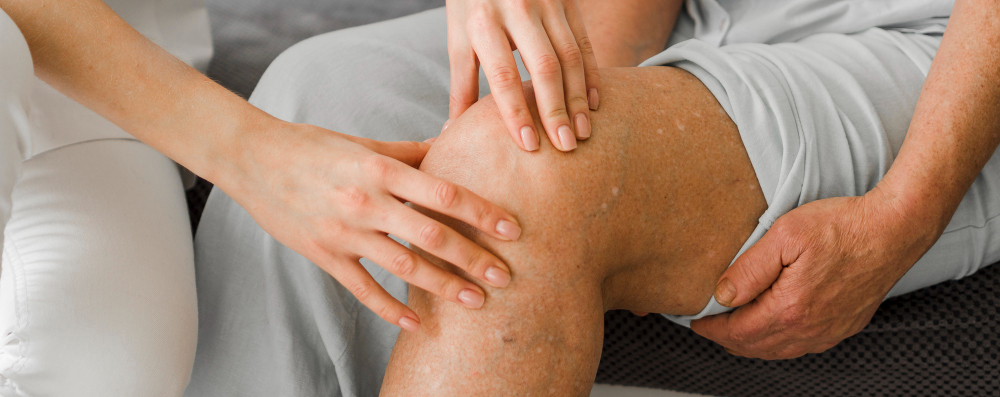
Varicose Veins: Causes, Symptoms, and When to See a Specialist
Varicose veins are a very common condition that affects millions of people worldwide. Although they are often thought of as only a cosmetic issue, they can actually be a sign of problems with blood circulation.
Understanding what varicose veins are, why they appear, and when it’s important to seek medical care can help prevent complications and improve vascular health.
What Are Varicose Veins?
Varicose veins are enlarged, twisted veins that can be seen just beneath the surface of the skin. They develop when the valves inside the veins do not work properly, causing blood to flow poorly back to the heart and accumulate in the veins.
This increased pressure causes the veins to stretch, enlarge, and become visible.
Varicose veins most commonly appear in the legs and feet, since the veins in these areas must work harder to move blood upward against gravity.

Why Do Varicose Veins Develop?
Varicose veins can occur for several reasons that affect normal blood circulation.
Common risk factors include:
-
Family history of varicose veins
-
Standing or sitting for long periods
-
Pregnancy
-
Being overweight or obese
-
Aging
-
Hormonal changes
-
Lack of physical activity
When these factors increase pressure in the leg veins, the valves may weaken and lead to the development of varicose veins.
Symptoms of Varicose Veins
In addition to being visible under the skin, varicose veins can cause several symptoms that may affect daily comfort and quality of life.
Common symptoms include:
-
Heaviness in the legs
-
Pain or burning sensation
-
Swelling, especially at the end of the day
-
Night cramps
-
Itching or skin changes
-
Darkening of the skin around the veins
In more advanced cases, venous ulcers may develop, which are wounds that can be difficult to heal.
For this reason, varicose veins should not be considered only a cosmetic concern—they are often related to vascular health.
When Should You See a Specialist?
It is recommended to consult a specialist in vascular medicine or vascular surgery if you experience:
-
Persistent leg pain or heaviness
-
Frequent swelling in the legs
-
Bulging or very visible veins
-
Changes in the skin of the legs
-
Wounds that take a long time to heal
A medical evaluation can help identify the problem early and determine the most appropriate treatment, preventing the condition from progressing.
Treatment Options for Varicose Veins
Treatment depends on the severity of the condition and the symptoms experienced by the patient.
Possible treatments include:
-
Lifestyle changes
-
Compression stockings
-
Minimally invasive treatments
-
Sclerotherapy
-
Laser procedures
-
Vascular surgery in more advanced cases
A specialist can determine the best treatment based on each individual case.
How to Help Prevent Varicose Veins
Certain lifestyle habits can improve circulation and reduce the risk of developing varicose veins.
Helpful recommendations include:
-
Maintaining a healthy weight
-
Exercising regularly
-
Avoiding long periods of sitting or standing
-
Elevating the legs when resting
-
Wearing comfortable clothing that does not restrict circulation
These habits can support healthy blood flow in the legs.
Take Care of Your Vascular Health
If you notice discomfort, heaviness, or changes in your legs, it is important to seek medical evaluation.
At Bluenet Hospitals, our specialists in Angiology and Vascular Surgery can evaluate your circulation and guide you toward the most appropriate treatment.
📲 Schedule your appointment via WhatsApp
624 151 0693
FAQ
Are varicose veins dangerous?
In many cases, they are not immediately dangerous. However, they can worsen over time and lead to complications, such as inflammation, skin changes, or venous ulcers if left untreated.
Do varicose veins go away on their own?
No. Once varicose veins develop, they usually do not disappear on their own. However, medical treatments can help improve symptoms and their appearance.
Do only older adults get varicose veins?
No. While the risk increases with age, younger people can also develop varicose veins, especially if they have a family history or spend long periods sitting or standing.
Can exercise help prevent varicose veins?
Yes. Activities such as walking, swimming, or cycling help improve circulation and reduce pressure in the veins of the legs.
When should I see a doctor?
You should consult a specialist if you experience pain, swelling, skin changes, or very visible veins, as these may indicate venous disease.



Trending Topics
Varicocele
Risk Factors, Diagnosis, and Treatment
Pregnancy infections (TORCH)
Risks, testing, and prevention
Anemia in Women of Reproductive Age
Symptoms, Causes, and Prevention
Head and Neck Surgical Oncologist: The Key Specialist in Your Diagnosis
Discover what they do, which conditions they treat, and when it’s important to seek an evaluation.
Health Library
Angiology
- Do You Need an Appointment with a Specialist?
- call us
- write us
- let's talk

