
How to Prepare for an X-Ray: A Complete Guide Before Your Exam
Learn how to prepare for an X-ray, whether you need to fast, what to wear, and what to expect before, during, and after your exam.
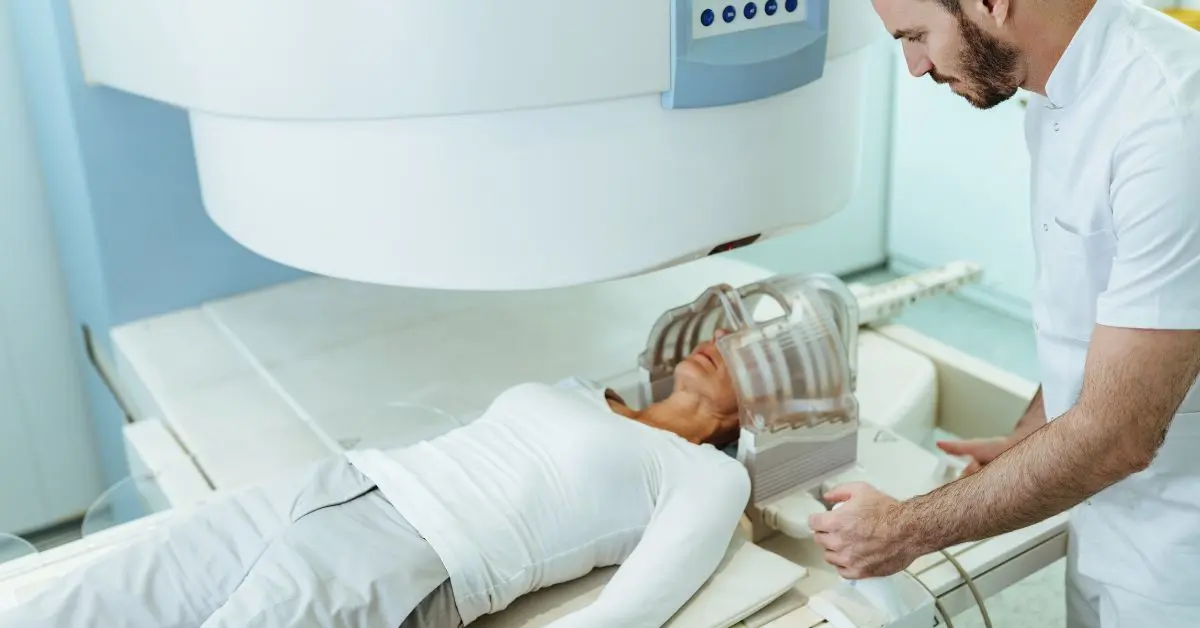
If your doctor has recommended an X-ray, you may be wondering how to prepare, whether you need to fast, what clothing you should wear, or if the exam is safe.
The good news is that most X-rays require little to no preparation. However, following a few simple recommendations can help ensure high-quality images and prevent the need to repeat the exam.
In this guide, our Radiology and Diagnostic Imaging specialists explain everything you need to know before your appointment, using evidence-based medical information and current radiology best practices.
What Is an X-Ray?An X-ray, also known as radiography, is one of the most commonly performed medical imaging exams. It uses a very small amount of ionizing radiation to create images of the inside of your body.
X-rays allow healthcare providers to visualize bones, joints, lungs, and other internal structures, helping diagnose injuries and a wide variety of medical conditions quickly and accurately.
Because the exam is fast, painless, and highly effective, it remains one of the first imaging tests physicians request.
What Is an X-Ray Used For?Doctors use X-rays to diagnose or monitor many health conditions, including:
- Broken or fractured bones
- Joint dislocations
- Arthritis
- Bone infections
- Certain types of cancer
- Lung conditions, including pneumonia
- Digestive tract disorders
- Swallowed foreign objects
- Dental problems
- Spine abnormalities
Depending on your symptoms, your healthcare provider will determine which type of X-ray is most appropriate.
How to Prepare for an X-RayPreparation depends on the area of the body being examined. Most routine X-rays require minimal preparation, but following these recommendations can help your appointment go smoothly.
1. Ask Whether You Need to FastOne of the most common questions patients ask is:
Do you need to fast before an X-ray?In most cases, the answer is no.
Routine X-rays, such as chest, arm, leg, hand, foot, or spine X-rays, usually do not require fasting.
However, if your exam involves the digestive system or requires a contrast agent, your physician may ask you to avoid food and drinks for 8 to 12 hours before the procedure.
Always follow the preparation instructions provided by your healthcare team.
2. Wear Comfortable ClothingChoose loose, comfortable clothing for your appointment.
Depending on the body part being examined, you may be asked to change into a medical gown.
You should also remove any metal objects, since they can interfere with image quality.
Remove items such as:
- Necklaces
- Earrings
- Watches
- Bracelets
- Glasses
- Body piercings
- Belts
- Clothing with metal zippers or buttons
Removing metal objects helps produce clearer diagnostic images.
3. Empty Your Bladder for Certain ExamsIf you are having an abdominal X-ray, your healthcare provider may recommend emptying your bladder before the procedure.
Once the examination begins, you may need to remain still for several minutes, so using the restroom beforehand can make the exam more comfortable.
Unless instructed otherwise, avoid drinking excessive amounts of water immediately before the exam.
4. Tell Your Doctor if You Are PregnantAlthough X-rays use very low doses of radiation, it is essential to inform your healthcare provider if you:
- Are pregnant
- Think you may be pregnant
- Are trying to become pregnant
Depending on your situation, your physician may recommend postponing the exam or choosing another imaging test, such as ultrasound or MRI, when clinically appropriate.
5. What If You Are Breastfeeding?Routine diagnostic X-rays do not affect breastfeeding.
If your exam requires contrast material, your physician or radiologist will explain whether any additional precautions are necessary.
What Happens During an X-Ray?Most X-ray examinations take between 5 and 15 minutes.
During the exam:
- A radiologic technologist will position the body part being examined.
- You may be asked to hold your breath for a few seconds.
- Remaining still is essential to prevent blurry images.
The procedure itself is painless.
Once completed, you can usually return to your normal daily activities immediately.
What Is Contrast Material?Some imaging studies require a contrast agent to improve visualization of certain organs or structures.
Depending on the examination, contrast may be administered by:
- Drinking a barium or iodine solution
- Taking a pill
- Receiving an intravenous injection
Before the exam, tell your healthcare provider if you have allergies to contrast agents or a history of kidney disease.
Who Interprets an X-Ray?Your images are reviewed by a board-certified radiologist, a physician specially trained in interpreting medical imaging studies.
The radiologist prepares a detailed report that is sent to your referring physician, who will discuss the results with you and recommend any additional tests or treatment if needed.
Are X-Rays Safe?Yes.
Modern X-ray equipment uses the lowest radiation dose necessary to obtain high-quality diagnostic images, following the internationally recognized ALARA (As Low As Reasonably Achievable) principle.
For most patients, the benefits of diagnosing disease or injury early greatly outweigh the minimal risks associated with medical imaging radiation.
Tips Before Your X-Ray AppointmentBefore your visit, remember to:
- Confirm whether fasting is required.
- Wear comfortable clothing.
- Remove all jewelry and metal accessories.
- Bring previous imaging studies if requested.
- Inform your healthcare provider if you are pregnant or breastfeeding.
- Arrive 15 to 20 minutes before your scheduled appointment.
These simple steps help ensure a smooth examination and accurate diagnostic results.
Schedule Your X-Ray with Our Radiology SpecialistsDon't delay your diagnosis. Our experienced Radiology & Diagnostic Imaging specialists are committed to providing accurate imaging, timely results, and compassionate patient care.
📲 Schedule your appointment via WhatsApp: +52 (624) 151 0693
Our team is available to help you schedule your exam, explain preparation instructions, and answer any questions before your visit.
BlueNet Hospitals — Advanced Diagnostic Imaging You Can Trust.
Frequently Asked Questions
1. Do I need to fast before an X-ray?
Most X-rays do not require fasting. However, digestive system examinations or studies involving contrast material may require fasting for 8 to 12 hours.
2. Can I drink water before an X-ray?Yes, unless your physician gives you different preparation instructions.
3. What should I wear for an X-ray?Wear comfortable clothing and avoid jewelry or clothing containing metal.
4.How long does an X-ray take?Most X-ray exams take between 5 and 15 minutes.
5. Are X-rays painful?No. X-rays are painless and non-invasive.
6. Are X-rays safe?Yes. Modern imaging equipment uses very low radiation doses and follows strict international safety guidelines.
7. Can I have an X-ray while pregnant?If you are pregnant or think you may be pregnant, tell your healthcare provider before the exam. Your physician will determine whether another imaging method is more appropriate.
8. Who reads my X-ray?Your X-ray is interpreted by a board-certified radiologist, who provides a diagnostic report to your referring physician.







Trending Topics
Stroke: Symptoms, Causes & Treatment
Learn how to recognize stroke symptoms, understand its causes, and why emergency treatment can save brain function and lives.
Varicocele
Symptoms, Causes, Diagnosis, and Treatment to Protect Men's Health
Pregnancy infections (TORCH)
Risks, testing, and prevention
Anemia in Women of Reproductive Age
Symptoms, Causes, and Prevention
Health Library
Radiology and Imaging
- Do You Need an Appointment with a Specialist?
- call us
- write us
- let's talk

