
How to Prevent Cancer: Key Habits and Risk Factors to Know
Learn how to prevent cancer with healthy habits and when to see an Oncologist.
Cancer is one of the leading causes of illness and death worldwide. According to the World Health Organization (WHO), 30% to 50% of cancer cases may be preventable by adopting healthy lifestyle habits, reducing risk factors, and participating in recommended cancer screening programs.
While not every type of cancer can be prevented, making healthy choices and keeping up with routine medical checkups can significantly reduce your risk and improve the chances of detecting cancer early, when treatment is often most effective.
At BlueNetHospitals, our Oncologists provide cancer risk assessments, preventive care, and personalized screening recommendations to help you protect your long-term health.
What Is Cancer?Cancer is a group of diseases in which abnormal cells grow uncontrollably, invade nearby tissues, and may spread to other parts of the body through a process called metastasis.
There are more than 100 different types of cancer, each with its own risk factors, symptoms, and treatment options.
Although some cancers are linked to inherited genetic factors, many are associated with lifestyle and environmental risks that can be modified.
Can Cancer Be Prevented?There is no guaranteed way to prevent every type of cancer. However, many cancers can be prevented or diagnosed earlier by reducing known risk factors.
Organizations such as the World Health Organization (WHO), the American Cancer Society (ACS), and the National Cancer Institute (NCI) agree that healthy lifestyle choices are among the most effective strategies for lowering cancer risk.
Cancer Risk FactorsSome risk factors cannot be changed, such as age or family history. Others can be modified through healthy lifestyle choices.
The most common cancer risk factors include:
- Tobacco use
- Excessive alcohol consumption
- Overweight and obesity
- Physical inactivity
- Poor diet
- Excessive ultraviolet (UV) exposure
- Infections such as human papillomavirus (HPV) and hepatitis B virus (HBV)
- Exposure to carcinogenic chemicals
- Family history of certain cancers
- Increasing age
Understanding these factors can help you make informed decisions about your health.
How to Reduce Your Cancer RiskDon't Smoke or Use Tobacco Products
Smoking remains the leading preventable cause of cancer.
Tobacco use is associated with several cancers, including:
- Lung cancer
- Oral cancer
- Laryngeal cancer
- Esophageal cancer
- Bladder cancer
- Kidney cancer
- Pancreatic cancer
If you smoke, quitting is one of the most important steps you can take to improve your health.
Eat a Healthy DietA balanced diet may help reduce the risk of several types of cancer.
Recommendations include:
- Eat plenty of fruits and vegetables.
- Choose whole grains.
- Include lean sources of protein.
- Limit processed meats and red meat.
- Reduce ultra-processed foods.
- Limit sugary beverages.
No single food prevents cancer, but healthy eating patterns contribute to overall cancer prevention.
Maintain a Healthy WeightBeing overweight or obese has been linked to an increased risk of several cancers, including:
- Breast cancer (after menopause)
- Colorectal cancer
- Endometrial cancer
- Kidney cancer
- Esophageal cancer
Maintaining a healthy weight through balanced nutrition and regular exercise can help lower your risk.
Stay Physically ActiveRegular physical activity offers benefits beyond weight management.
Current recommendations include:
- 150 to 300 minutes of moderate-intensity physical activity each week, or
- 75 to 150 minutes of vigorous-intensity exercise each week
Walking, swimming, cycling, strength training, and other enjoyable activities all support better health.
Limit Alcohol ConsumptionResearch consistently shows that alcohol increases the risk of several types of cancer.
The less alcohol you drink, the lower your cancer risk.
Protect Your Skin from the SunUltraviolet (UV) radiation is the primary risk factor for skin cancer.
To protect your skin:
- Use broad-spectrum sunscreen every day.
- Wear protective clothing and a wide-brimmed hat.
- Limit sun exposure between 10 a.m. and 4 p.m.
- Avoid indoor tanning beds.
Certain vaccines help prevent infections associated with cancer.
These include:
- Human Papillomavirus (HPV) vaccine
- Hepatitis B vaccine
Ask your healthcare provider whether these vaccines are appropriate for you based on your age and medical history.
Get Recommended Cancer ScreeningsCancer screening tests can detect certain cancers before symptoms develop.
Depending on your age, sex, and personal risk factors, your doctor may recommend:
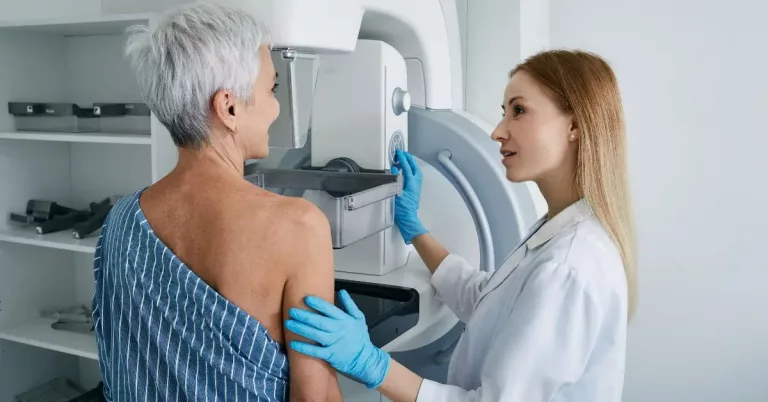
- Mammography
- Pap test and HPV testing
- Colonoscopy
- Low-dose CT scan for individuals at high risk of lung cancer
- Prostate-specific antigen (PSA) testing, when appropriate
Early detection often improves treatment outcomes and survival rates.
Cancer Symptoms You Shouldn't IgnoreMany symptoms can be caused by conditions other than cancer. However, persistent or unexplained symptoms should always be evaluated by a healthcare professional.
Schedule a medical evaluation if you experience:
- Unexplained weight loss
- Persistent fatigue
- New lumps or masses
- Unusual bleeding
- A chronic cough
- Changes in moles or skin lesions
- Difficulty swallowing
- Persistent changes in bowel or bladder habits
- Ongoing pain that doesn't improve
Ignoring persistent symptoms may delay diagnosis and treatment.
Who Should See an Oncologist?Consider scheduling an appointment with an Oncologist if you:
- Have a strong family history of cancer
- Have persistent or unexplained symptoms
- Smoke or have smoked for many years
- Have multiple cancer risk factors
- Want personalized cancer prevention and screening recommendations
An individualized cancer risk assessment helps determine the most appropriate prevention and screening plan.
Prevention Starts TodayReducing your cancer risk begins with everyday choices: avoiding tobacco, maintaining a healthy weight, staying physically active, eating a balanced diet, protecting your skin from the sun, and keeping up with recommended medical screenings.
Preventive care and early detection remain the most effective ways to reduce the impact of cancer.
Oncology Services in Los CabosAt BlueNetHospitals, our Oncologists provide comprehensive cancer risk assessments, preventive care, early detection programs, and personalized guidance for individuals seeking to reduce their cancer risk or evaluate concerning symptoms.
Our multidisciplinary team is committed to delivering evidence-based care tailored to your individual needs.
Schedule an Appointment with an OncologistIf you'd like to better understand your cancer risk, discuss recommended screening tests, or receive personalized preventive care, our specialists are here to help.
📲 Schedule your appointment via WhatsApp: +52 (624) 151 0693
Receive expert care from our Oncologists in Los Cabos and take a proactive approach to protecting your health.
1. Can cancer be prevented?
Not all cancers can be prevented, but many cases can be avoided by maintaining healthy habits, reducing risk factors, and following recommended cancer screening guidelines.
2. What is the leading preventable cause of cancer?Tobacco use is the leading preventable cause of cancer and is associated with multiple types of cancer.
3. What foods help reduce cancer risk?A diet rich in fruits, vegetables, whole grains, legumes, and lean proteins may help lower cancer risk. No single food can prevent cancer on its own.
4. Does exercise reduce cancer risk?Yes. Regular physical activity is associated with a lower risk of several cancers and contributes to maintaining a healthy body weight.
5. Which screening tests help detect cancer early?Depending on your age and risk factors, your healthcare provider may recommend mammograms, colonoscopy, Pap and HPV tests, PSA testing, or low-dose CT lung screening.
6. When should I see an Oncologist?You should consult an Oncologist if you have significant cancer risk factors, persistent symptoms, a strong family history of cancer, or would like personalized prevention and screening recommendations.
7. Where can I see an Oncologist in Los Cabos?At BlueNetHospitals, our Oncologists provide cancer prevention counseling, risk assessments, early detection programs, and comprehensive oncology care for patients in Los Cabos.





Trending Topics
Stroke: Symptoms, Causes & Treatment
Learn how to recognize stroke symptoms, understand its causes, and why emergency treatment can save brain function and lives.
Varicocele
Symptoms, Causes, Diagnosis, and Treatment to Protect Men's Health
Pregnancy infections (TORCH)
Risks, testing, and prevention
Anemia in Women of Reproductive Age
Symptoms, Causes, and Prevention
Health Library
Oncology
Learn more about:
- Do You Need an Appointment with a Specialist?
- call us
- write us
- let's talk

