
Chemotherapy Hair Loss: What to Expect
Learn when chemotherapy hair loss begins, how to care for your scalp, whether scalp cooling helps, and when your hair may grow back.
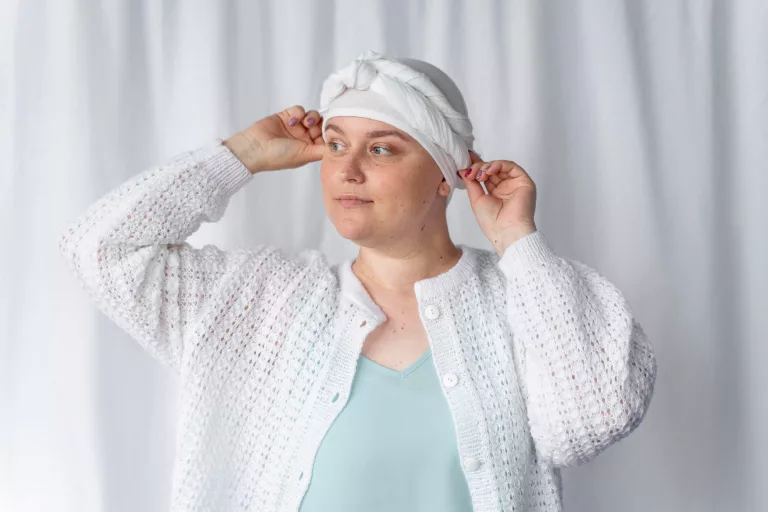
Hair loss is one of the most visible side effects of certain cancer treatments. For many people, it is more than a physical change. It can affect privacy, confidence, and how or when they choose to share their diagnosis with others.
Not every chemotherapy treatment causes complete hair loss. Some medications lead to thinning, others cause more extensive loss, and certain regimens have little noticeable effect on the hair. The outcome depends on the medications, doses, treatment schedule, and individual response.
Discussing hair loss with your oncologist before treatment begins can help you prepare, understand your options, and make decisions that feel right for you.
Why Does Chemotherapy Cause Hair Loss?Chemotherapy uses medications that destroy cancer cells or prevent them from continuing to grow. Because many cancer cells divide rapidly, chemotherapy drugs target processes involved in cell division.
Hair follicles also contain rapidly dividing cells. Some chemotherapy medications temporarily affect these cells, resulting in chemotherapy-induced alopecia.
Hair loss does not mean that treatment is stronger or more effective. Likewise, keeping your hair does not mean that chemotherapy is not working.
Does Every Chemotherapy Treatment Cause Hair Loss?No. The likelihood and extent of hair loss depend on:
- The medication or combination of medications.
- The dose.
- How frequently treatment is given.
- The route of administration.
- The length of treatment.
- The individual patient’s response.
The hair may:
- Become slightly thinner.
- Feel dry or brittle.
- Fall out in patches.
- Be lost almost completely.
- Fall out in other areas of the body.
In addition to scalp hair, some people temporarily lose:
- Eyebrows.
- Eyelashes.
- Facial hair.
- Arm and leg hair.
- Underarm hair.
- Pubic hair.
- Nasal hair.
Other cancer treatments—including some targeted therapies, hormone therapies, and immunotherapies—may also alter hair density or texture, although their effects are often different from those caused by chemotherapy.
When Does Chemotherapy Hair Loss Begin?When a chemotherapy regimen causes alopecia, hair loss often begins approximately two to three weeks after the first treatment. In some cases, it may begin earlier or develop gradually over several cycles.
You may initially notice:
- More hair on your pillow.
- Loose strands while washing or brushing.
- Scalp tenderness, itching, or sensitivity.
- Dry or brittle hair.
- Areas with reduced density.
The timing and speed vary. Some people lose their hair gradually over several weeks, while others experience a more rapid change.
Can Chemotherapy Hair Loss Be Prevented?No shampoo, vitamin, diet, or cosmetic treatment can guarantee that chemotherapy-related hair loss will not occur. It is also not possible to “strengthen” the hair follicle beforehand to prevent the effects of a medication known to cause alopecia.
Scalp cooling, however, may reduce hair loss in selected patients.
How Does Scalp Cooling Work?Scalp cooling also called a cold cap uses a specialized system to lower the scalp’s temperature before, during, and after a chemotherapy infusion.
Cooling constricts the blood vessels in the scalp and reduces the amount of chemotherapy that reaches the hair follicles. This may help preserve some hair and could support faster regrowth after treatment.
Its effectiveness depends on:
- The chemotherapy regimen.
- The medication dose.
- The type of cancer.
- Proper cap fit.
- Hair characteristics.
- Consistent use during every treatment cycle.
Possible side effects include:
- An intense cold sensation.
- Headache.
- Pressure or discomfort on the scalp.
- Dizziness.
- A longer treatment session.
Scalp cooling is generally unsuitable for certain blood cancers and may not be recommended for people with some cold-sensitive medical conditions. Your oncologist should determine whether it is appropriate before the first chemotherapy session.
Preparing Before TreatmentThere is no right or wrong way to approach hair loss. Some people cut their hair before treatment, others wait to see how much they lose, and some choose to shave it. Every choice is valid.
Before chemotherapy begins, consider:
- Asking how likely your treatment is to cause hair loss.
- Finding out whether scalp cooling is an option.
- Cutting your hair if a gradual transition would feel easier.
- Choosing a wig, scarf, turban, or hat in advance.
- Taking a photograph of your usual color and hairstyle.
- Removing extensions, tight braids, or weaves that place tension on the follicles.
- Talking with children or family members about the expected changes.
If you want a wig that resembles your current hair, selecting it before hair loss begins may make matching the style and color easier.
Caring for Your Hair During ChemotherapyGentle care cannot stop medication-related alopecia, but it can reduce breakage, pulling, and scalp irritation.
Helpful measures include:
- Wash your hair with lukewarm rather than hot water.
- Choose a mild shampoo.
- Pat the hair dry instead of rubbing it.
- Use a wide-tooth comb or a soft brush.
- Detangle slowly and carefully.
- Avoid tight hairstyles.
- Limit hair dryers, straighteners, and curling irons.
- Avoid bleach, perms, relaxers, and harsh hair color.
- Use a soft pillowcase if your scalp is sensitive.
- Do not scratch the scalp or remove scabs.
If you use a scalp-cooling system, follow the Oncology team’s specific hair-care instructions, which may be more restrictive.
Protecting Your ScalpAfter hair loss, the scalp becomes more exposed to sunlight, cold temperatures, and friction.
To protect it:
- Wear a wide-brimmed hat or soft cap.
- Apply broad-spectrum sunscreen with SPF 30 or higher.
- Choose breathable scarves that are not overly tight.
- Wear a soft hat in cold environments.
- Use a fragrance-free moisturizer if approved by your medical team.
- Avoid adhesives or irritating products on injured skin.
Keep hats, scarves, pillowcases, and wigs clean to reduce irritation.
Wigs, Scarves, and Other OptionsCovering the head is a personal choice, not an obligation. Some people feel comfortable without a covering, while others prefer:
- Synthetic or natural-hair wigs.
- Scarves.
- Turbans.
- Hats.
- Lightweight caps.
- Eyebrow prosthetics.
- Makeup to recreate eyebrows or lashes.
A wig should not cause pain, excessive heat, pressure, or skin injury. If it causes redness or discomfort, have the fit adjusted or consider a different system.
When Will Hair Grow Back?Chemotherapy-induced hair loss is usually temporary. Regrowth may begin within several weeks or during the first few months after the final treatment.
As a general guide:
- Fine, soft hair may appear during the first few months.
- Between three and six months, short but more visible coverage often develops.
- During the first year, density, texture, and growth pattern become clearer.
New hair may be:
- Curlier or straighter.
- Finer or thicker.
- A different color.
- Uneven at first.
These changes are often temporary, although some may persist. Permanent hair loss is uncommon but can occur with certain medications or high-dose regimens. Your oncologist can explain the risk associated with your treatment.
Eyebrows and eyelashes do not always follow the same schedule as scalp hair. They may fall out later and can take longer to return to their previous density.
When Can You Color or Chemically Treat New Hair?New hair may be more delicate than it was before treatment. Before using hair color, bleach, relaxers, or perms, speak with your oncologist or dermatologist.
It is generally best to wait until:
- The hair has grown to a manageable length.
- The scalp is no longer irritated.
- Growth has become stable.
- The new hair is stronger.
- Your medical team considers chemical products safe.
When you begin again, choose a gentle product and test it on a small area first.
Nutrition and Hair SupplementsA balanced diet provides the protein, vitamins, and minerals needed for overall recovery. However, no specific food can prevent chemotherapy-induced hair loss.
Do not take biotin, vitamins, herbal products, or supplements marketed for hair growth without consulting your oncologist. Some products may interact with cancer treatment, increase certain risks, or interfere with laboratory test results.
Supplements should be used only when medically indicated or when a confirmed deficiency is present.
Can Minoxidil Help?Minoxidil does not prevent hair loss caused by chemotherapy. In selected cases, a physician may consider it after treatment to support regrowth, but it is not appropriate for everyone.
Do not apply it to irritated or injured skin, and do not use it without approval from your oncologist or dermatologist.
The Emotional Impact MattersHair loss can cause sadness, anxiety, anger, or a sense of losing part of your identity. These feelings are understandable.
Support may include:
- Talking with the Oncology team.
- Meeting with a mental health professional.
- Joining a cancer support group.
- Sharing decisions with trusted people.
- Choosing when and how to discuss the physical change.
- Preparing options that help you feel more comfortable and in control.
Asking for emotional support does not mean that you are coping poorly. It is a valid part of comprehensive cancer care.
When to Contact Your Oncology TeamHair loss itself is not usually an emergency. Contact your medical team if you develop:
- Significant scalp redness.
- Blisters, open sores, or drainage.
- Severe pain.
- Swelling.
- A widespread rash.
- Signs of an allergic reaction.
- Hair loss that differs from what your team described.
- Little or no regrowth for an extended period after treatment.
During chemotherapy, a temperature of 100.4°F (38°C) or higher may be a sign of infection and requires immediate communication with the Oncology team or an urgent medical assessment—even if you have no other symptoms.
Oncology Care in Los CabosBefore beginning chemotherapy, ask what hair changes you can expect, whether scalp cooling may be suitable for you, and how to care for your hair and scalp during each stage of treatment.
At BlueNetHospitals Los Cabos, an Oncology specialist can review your treatment, answer your questions, and help you manage side effects through an individualized care plan.
📲 Schedule an appointment with an oncologist in Los Cabos via WhatsApp:
+52 (624) 151 0693
1. Does every chemotherapy treatment cause hair loss?
No. Some medications cause complete hair loss, others cause thinning, and certain regimens produce little noticeable change. Your oncologist can explain the risk associated with your treatment.
2. When does hair begin to fall out?When it occurs, hair loss often starts approximately two to three weeks after the first chemotherapy session, although the timing varies.
3. Will cutting my hair prevent it from falling out?No. Cutting the hair does not change chemotherapy’s effect on the follicle. However, shorter hair may be easier to manage and may make the transition feel less abrupt.
4. Does scalp cooling work?It may reduce hair loss in selected patients, particularly with certain chemotherapy regimens for solid tumors. It cannot guarantee complete hair preservation and is not appropriate for everyone.
5. Does hair loss mean that chemotherapy is working?No. Alopecia is a side effect, not a measure of treatment effectiveness. Keeping your hair does not mean that chemotherapy has failed.
6. Will my hair grow back?In most cases, yes. Hair often begins to regrow during the weeks or months following treatment. Permanent loss is uncommon.
7. Can my hair grow back differently?Yes. New hair may be curlier, straighter, finer, thicker, or a different color. These changes may be temporary or persistent.
8. Can I color my hair during chemotherapy?It is generally best to avoid hair color, bleach, and other harsh treatments while the hair and scalp are sensitive. Always consult your Oncology team first.
9. Can vitamins or biotin prevent chemotherapy hair loss?No. Supplements have not been shown to prevent chemotherapy-induced alopecia. Some may interfere with cancer treatment or laboratory testing.
10. When should I call my oncologist?Contact your oncologist for severe scalp pain, sores, drainage, rash, or swelling. During chemotherapy, a temperature of 100.4°F (38°C) or higher requires immediate medical attention.

Trending Topics
Stroke: Symptoms, Causes & Treatment
Learn how to recognize stroke symptoms, understand its causes, and why emergency treatment can save brain function and lives.
Varicocele
Symptoms, Causes, Diagnosis, and Treatment to Protect Men's Health
Pregnancy infections (TORCH)
Risks, testing, and prevention
Anemia in Women of Reproductive Age
Symptoms, Causes, and Prevention
Health Library
Oncology
Learn more about:
- Do You Need an Appointment with a Specialist?
- call us
- write us
- let's talk

