
What Is a Coma and Why Does It Require Intensive Care?
A serious medical condition that requires continuous monitoring and specialized care.

When we hear the word “coma,” it often causes immediate concern—and rightly so. A coma is a serious medical condition that requires constant monitoring and specialized care.
In this blog, we clearly explain what a coma is, its most common causes, and why, in many cases, it must be managed in an Intensive Care Unit (ICU).
What Is a Coma?
A coma is a state of deep unconsciousness in which a person cannot wake up, does not respond normally to stimuli (such as being spoken to, touched, or exposed to pain), and has no awareness of themselves or their surroundings.
Unlike sleep, a coma involves a significant alteration in brain function. Because of this, the patient may require medical support to maintain vital functions such as breathing, blood pressure, and neurological stability.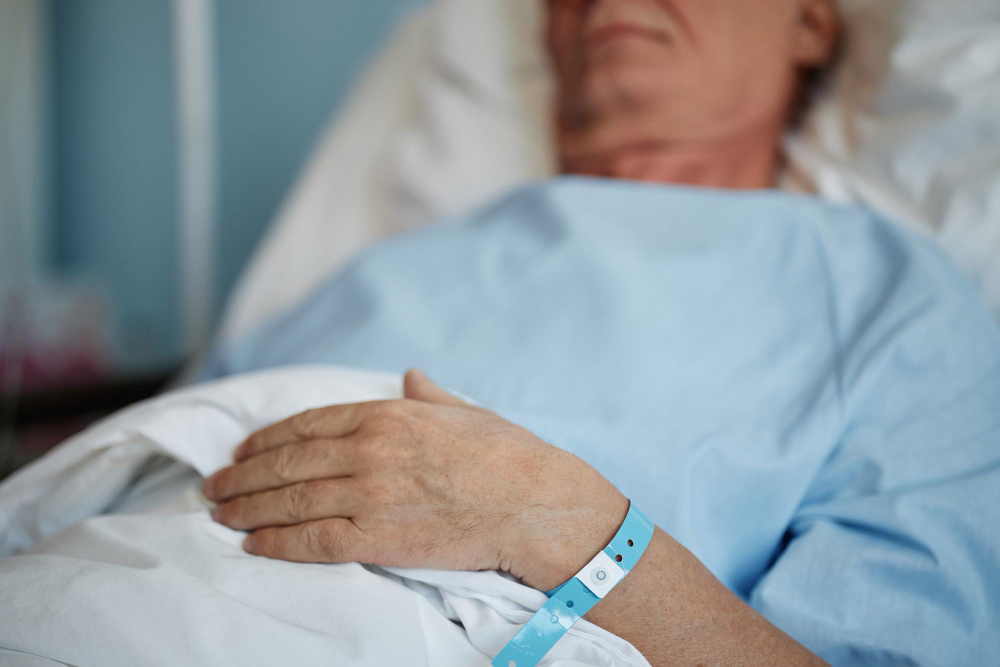
What Causes a Coma?
A coma can be caused by different conditions that severely affect the brain or the body. The most common causes include:
-
Stroke or brain hemorrhage
-
Traumatic brain injury due to falls or accidents
-
Severe infections such as meningitis or encephalitis
-
Poisoning from medications, drugs, or chemical substances
-
Severe metabolic disorders, such as hypoglycemia (low blood sugar), liver failure, or kidney failure
-
Lack of oxygen to the brain due to cardiac arrest or severe respiratory problems
Each case is different, which is why diagnosis and treatment must be immediate and personalized.
Is a Coma the Same as Being Asleep?
No. This is one of the most common questions.
During sleep, a person can wake up easily. In a coma, however, there is a profound disturbance of consciousness, and the patient cannot wake up on their own—even with strong stimuli.
For this reason, a coma is considered a medical emergency that requires specialized care from the very beginning.
Why Does a Patient in a Coma Require Intensive Care?
A patient in a coma may face significant risks, even if they initially appear “stable.” In many cases, the body loses its ability to regulate vital functions independently, making continuous medical support essential.
In the Intensive Care Unit, patients receive:
1) Continuous 24/7 Monitoring.
Neurological status can change rapidly. In the ICU, critical parameters are closely monitored, including:
-
Heart rate
-
Blood pressure
-
Oxygen saturation
-
Breathing
-
Level of consciousness and neurological response

2) Respiratory Support When Needed.
Many patients in a coma cannot breathe adequately or protect their airway. They may require:
-
High-flow oxygen
-
Mechanical ventilation
-
Advanced airway management
3) Prevention of Serious Complications.
An immobile or unconscious patient is at risk of complications such as:
-
Aspiration pneumonia
-
Infections
-
Pressure ulcers
-
Blood clots (thrombosis)
-
Nutritional and hydration imbalances
In Intensive Care, specific measures are implemented to prevent these complications.
4) Treatment of the Underlying Cause of the Coma.
Treatment depends on the origin of the coma. For example:
-
Control of bleeding or stroke
-
Management of severe infections
-
Correction of glucose or electrolyte imbalances
-
Treatment of poisonings or overdoses
-
Seizure control
All of this requires highly trained medical staff and specialized resources.
5) Care by a Multidisciplinary Team.
Patient recovery often requires coordinated care from:
-
Intensivists
-
Specialized nursing staff
-
Neurology / Neurosurgery (depending on the case)
-
Respiratory therapy
-
Clinical nutrition
-
Rehabilitation and physical therapy
How Long Can a Coma Last?
There is no single duration. A coma can last hours, days, or weeks, depending on the cause and the patient’s overall condition.
Some patients gradually regain higher levels of consciousness, while others require prolonged management.
What matters most is that the patient receives immediate care, life support, and specialized monitoring—because every minute can make a difference.
Warning Signs: When to Seek Immediate Medical Attention.
Urgent medical care is needed if a person experiences:
-
Sudden loss of consciousness
-
Severe confusion or disorientation
-
Seizures
-
Weakness on one side of the body
-
Difficulty breathing
-
Extreme drowsiness that does not improve
-
Sudden changes in speech or vision
Intensive Care: Specialized Care for Critically Ill Patients.
At BlueNet Hospitals, we offer Intensive Care services with highly trained nursing staff, experienced intensivist physicians, and a multidisciplinary team prepared to provide comprehensive care for critically ill patients. Our approach focuses on continuous monitoring, patient stabilization, timely treatment of the underlying cause, and prevention of complications—always adhering to the highest safety standards.
We also understand that behind every patient is a family in need of information, support, and trust. That is why we provide compassionate and empathetic care, maintaining close communication with both patients and their loved ones throughout every stage of the process.
Your peace of mind and the patient’s safety are our priority.






Trending Topics
Stroke: Symptoms, Causes & Treatment
Learn how to recognize stroke symptoms, understand its causes, and why emergency treatment can save brain function and lives.
Varicocele
Symptoms, Causes, Diagnosis, and Treatment to Protect Men's Health
Pregnancy infections (TORCH)
Risks, testing, and prevention
Anemia in Women of Reproductive Age
Symptoms, Causes, and Prevention
Health Library
ICU
- Do You Need an Appointment with a Specialist?
- call us
- write us
- let's talk

