
ICU
What Is the Intensive Care Unit (ICU) and When Is It Needed?
Learn what happens inside the Intensive Care Unit (ICU), when a patient may need critical care, and what families can expect during treatment and recovery at BlueNetHospitals Los Cabos.
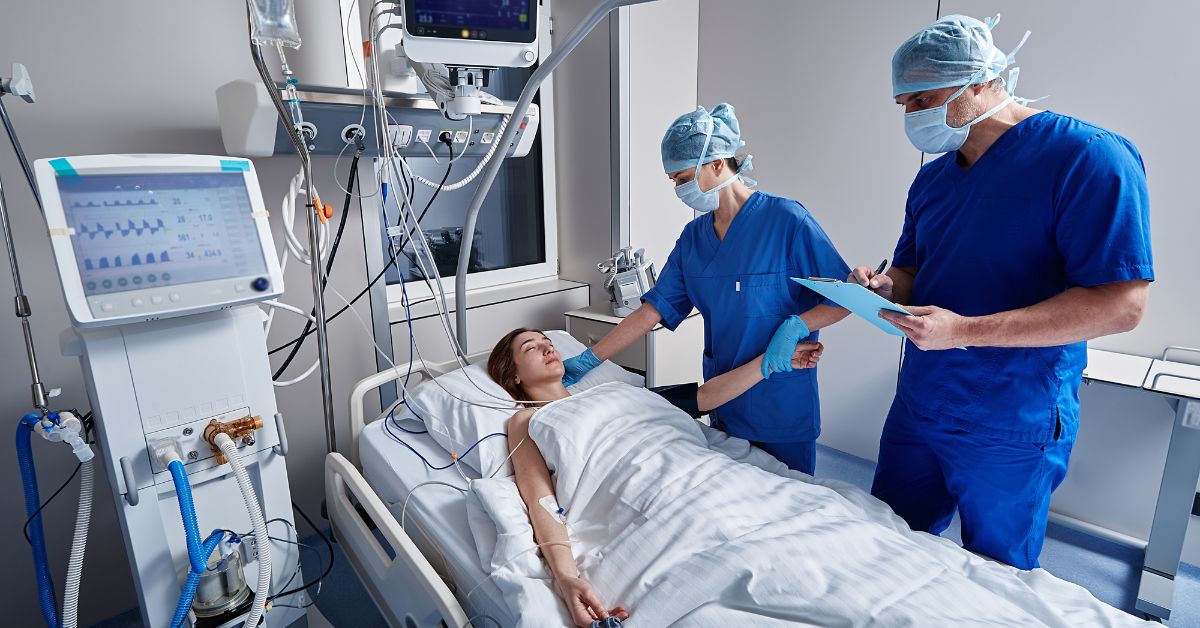
What Is the Intensive Care Unit (ICU) and When Is It Needed?
When a loved one is admitted to intensive care, it’s completely normal to feel worried, overwhelmed, and uncertain about what comes next.
The Intensive Care Unit (ICU) is a specialized area of the hospital designed to care for patients in critical condition or at high risk of serious complications. In this unit, intensivists, specialized nurses, and highly trained medical teams provide around-the-clock monitoring, advanced support, and immediate medical care.
This level of care is essential for patients with severe respiratory problems, serious infections, traumatic injuries, complications after major surgery, or conditions that affect vital organ function.
What Is the Intensive Care Unit (ICU)?
The Intensive Care Unit, commonly known as the ICU, is a hospital department dedicated to the treatment and monitoring of critically ill patients.
Patients admitted to the ICU require close medical supervision because their condition may change rapidly or involve life-threatening complications.
The ICU is equipped with advanced medical technology, continuous monitoring systems, and specialized healthcare professionals trained to respond quickly to emergencies and critical situations.
Some of the most common conditions that may require intensive care include:
What’s the Difference Between the ICU and a Regular Hospital Room?
The biggest difference is the level of monitoring and medical attention the patient requires.
While a standard hospital room is intended for stable patients or those recovering from illness or surgery, the ICU provides continuous observation and advanced support for critically ill patients.
Some features of the ICU include:
Why Are There So Many Monitors and Alarms in the ICU?
It’s completely normal to feel intimidated when walking into an Intensive Care Unit for the first time.
Monitors, alarms, lights, and medical equipment are all part of the continuous monitoring system used to closely track the patient’s condition.
In many cases, alarms do not necessarily mean something is wrong. Often, they simply alert the medical team to changes that need to be reviewed or are part of routine monitoring.
When Does a Patient Need Intensive Care?
A patient may be admitted to the ICU when they need critical care, continuous monitoring, or advanced support to keep vital functions stable.
The intensivist evaluates several factors, including:
Severe Respiratory Problems
Patients with respiratory failure or severe breathing difficulties may require mechanical ventilation and close monitoring.
Serious Infections
Conditions such as advanced pneumonia or sepsis can affect vital organs and require intensive treatment.
Trauma and Serious Injuries
Major injuries caused by car accidents, falls, or severe trauma often require intensive care.
Recovery After Major Surgery
Some patients need close observation following complex surgical procedures.
Heart or Neurological Conditions
Heart attacks, strokes, and severe heart rhythm abnormalities often require specialized monitoring and care.
Common Procedures Performed in the ICU
Depending on the patient’s condition, several specialized procedures may be performed in intensive care.
Catheters and Drains
These are used to administer medications, collect blood samples, or remove excess fluids.
Intubation
This procedure involves placing a tube into the lungs to help the patient breathe when they are unable to do so effectively on their own.
Mechanical Ventilation
A ventilator helps maintain proper oxygen levels and respiratory support.
Tracheostomy
This procedure creates a direct airway through the trachea to assist patients who require long-term breathing support.
Other Common ICU Procedures
Every hospital may have different ICU visitation policies, but there are important precautions that help protect the patient’s health.
When visiting someone in intensive care, it’s recommended to:
What Should Families Expect During Recovery?
Recovery in the ICU depends on the patient’s condition, response to treatment, and overall progress.
For many families, seeing a loved one transferred out of intensive care is an important and hopeful milestone.
When a patient leaves the ICU, it usually means they no longer require constant critical monitoring and that their condition has become more stable.
Some patients continue recovering in a regular hospital room, while others may eventually return home with medical follow-up care.
Why Immediate Medical Attention Matters
In critical situations, acting quickly can make a significant difference in a patient’s recovery and overall outcome.
Having access to intensive care specialists, advanced medical technology, and multidisciplinary medical teams allows hospitals to respond rapidly to complex medical emergencies.
If you or a loved one experiences difficulty breathing, loss of consciousness, severe pain, or any life-threatening symptoms, it’s important to seek immediate medical care.
At BlueNetHospitals, our Intensive Care and Emergency Medicine specialists are prepared to provide advanced medical care for critically ill patients, with continuous monitoring and multidisciplinary support in Los Cabos.
📲 Emergency Line: 624 1043 911
FAQ – Frequently Asked Questions
1. What does ICU mean in a hospital?
ICU stands for Intensive Care Unit, a specialized hospital area for critically ill patients who require constant monitoring and advanced medical care.
2. When does a patient need to be admitted to the ICU?
A patient may require ICU care when they have a serious condition that needs close monitoring, advanced support, and specialized treatment.
3. Does being in the ICU mean the patient is in critical condition?
Yes. ICU patients require intensive monitoring because their vital functions may be unstable or compromised.
4. Can family members visit someone in the ICU?
Yes, although visitation is usually more restricted to help protect the patient’s health and recovery.
5. What does an intensivist do?
An intensivist is a physician specialized in caring for critically ill patients in the Intensive Care Unit.
6. How long can a patient stay in the ICU?
The length of stay depends on the severity of the condition and the patient’s progress. Some stays last a few hours, while others may continue for days or weeks.
7. What’s the difference between hospitalization and intensive care?
Hospitalization is intended for patients who need ongoing treatment or observation, while intensive care is designed for critically ill patients who require constant monitoring and advanced life support.
When a loved one is admitted to intensive care, it’s completely normal to feel worried, overwhelmed, and uncertain about what comes next.
The Intensive Care Unit (ICU) is a specialized area of the hospital designed to care for patients in critical condition or at high risk of serious complications. In this unit, intensivists, specialized nurses, and highly trained medical teams provide around-the-clock monitoring, advanced support, and immediate medical care.
This level of care is essential for patients with severe respiratory problems, serious infections, traumatic injuries, complications after major surgery, or conditions that affect vital organ function.
What Is the Intensive Care Unit (ICU)?
The Intensive Care Unit, commonly known as the ICU, is a hospital department dedicated to the treatment and monitoring of critically ill patients.
Patients admitted to the ICU require close medical supervision because their condition may change rapidly or involve life-threatening complications.
The ICU is equipped with advanced medical technology, continuous monitoring systems, and specialized healthcare professionals trained to respond quickly to emergencies and critical situations.
Some of the most common conditions that may require intensive care include:
- Respiratory failure
- Sepsis or severe infections
- Heart attacks
- Stroke
- Severe bleeding
- Major trauma or serious accidents
- Severe burns
- Complications after major surgery
- Multiple organ failure
What’s the Difference Between the ICU and a Regular Hospital Room?
The biggest difference is the level of monitoring and medical attention the patient requires.
While a standard hospital room is intended for stable patients or those recovering from illness or surgery, the ICU provides continuous observation and advanced support for critically ill patients.
Some features of the ICU include:
- Continuous monitoring of vital signs
- Specialized medical care 24 hours a day
- Advanced respiratory and cardiovascular support equipment
- Fewer beds for closer patient supervision
- Highly trained medical staff
- More controlled visitation policies
Why Are There So Many Monitors and Alarms in the ICU?
It’s completely normal to feel intimidated when walking into an Intensive Care Unit for the first time.
Monitors, alarms, lights, and medical equipment are all part of the continuous monitoring system used to closely track the patient’s condition.
In many cases, alarms do not necessarily mean something is wrong. Often, they simply alert the medical team to changes that need to be reviewed or are part of routine monitoring.
When Does a Patient Need Intensive Care?
A patient may be admitted to the ICU when they need critical care, continuous monitoring, or advanced support to keep vital functions stable.
The intensivist evaluates several factors, including:
- The patient’s overall condition
- Vital signs
- Organ function
- Risk of complications
- Need for respiratory or cardiovascular support
Severe Respiratory Problems
Patients with respiratory failure or severe breathing difficulties may require mechanical ventilation and close monitoring.
Serious Infections
Conditions such as advanced pneumonia or sepsis can affect vital organs and require intensive treatment.
Trauma and Serious Injuries
Major injuries caused by car accidents, falls, or severe trauma often require intensive care.
Recovery After Major Surgery
Some patients need close observation following complex surgical procedures.
Heart or Neurological Conditions
Heart attacks, strokes, and severe heart rhythm abnormalities often require specialized monitoring and care.
Common Procedures Performed in the ICU
Depending on the patient’s condition, several specialized procedures may be performed in intensive care.
Catheters and Drains
These are used to administer medications, collect blood samples, or remove excess fluids.
Intubation
This procedure involves placing a tube into the lungs to help the patient breathe when they are unable to do so effectively on their own.
Mechanical Ventilation
A ventilator helps maintain proper oxygen levels and respiratory support.
Tracheostomy
This procedure creates a direct airway through the trachea to assist patients who require long-term breathing support.
Other Common ICU Procedures
- Electrocardiograms (EKG/ECG)
- Cardiopulmonary resuscitation (CPR)
- Renal replacement therapy
- Hemodynamic support
- Advanced cardiac monitoring
- Pediatric intensive care services
Every hospital may have different ICU visitation policies, but there are important precautions that help protect the patient’s health.
When visiting someone in intensive care, it’s recommended to:
- Wash your hands thoroughly
- Follow all hygiene and safety instructions provided by the medical staff
- Wear a mask, gown, or cap if requested
- Avoid visiting if you feel sick or have symptoms of illness
- Avoid bringing flowers or items that may increase infection risk
- Keep your phone on silent and limit its use
What Should Families Expect During Recovery?
Recovery in the ICU depends on the patient’s condition, response to treatment, and overall progress.
For many families, seeing a loved one transferred out of intensive care is an important and hopeful milestone.
When a patient leaves the ICU, it usually means they no longer require constant critical monitoring and that their condition has become more stable.
Some patients continue recovering in a regular hospital room, while others may eventually return home with medical follow-up care.
Why Immediate Medical Attention Matters
In critical situations, acting quickly can make a significant difference in a patient’s recovery and overall outcome.
Having access to intensive care specialists, advanced medical technology, and multidisciplinary medical teams allows hospitals to respond rapidly to complex medical emergencies.
If you or a loved one experiences difficulty breathing, loss of consciousness, severe pain, or any life-threatening symptoms, it’s important to seek immediate medical care.
At BlueNetHospitals, our Intensive Care and Emergency Medicine specialists are prepared to provide advanced medical care for critically ill patients, with continuous monitoring and multidisciplinary support in Los Cabos.
📲 Emergency Line: 624 1043 911
FAQ – Frequently Asked Questions
1. What does ICU mean in a hospital?
ICU stands for Intensive Care Unit, a specialized hospital area for critically ill patients who require constant monitoring and advanced medical care.
2. When does a patient need to be admitted to the ICU?
A patient may require ICU care when they have a serious condition that needs close monitoring, advanced support, and specialized treatment.
3. Does being in the ICU mean the patient is in critical condition?
Yes. ICU patients require intensive monitoring because their vital functions may be unstable or compromised.
4. Can family members visit someone in the ICU?
Yes, although visitation is usually more restricted to help protect the patient’s health and recovery.
5. What does an intensivist do?
An intensivist is a physician specialized in caring for critically ill patients in the Intensive Care Unit.
6. How long can a patient stay in the ICU?
The length of stay depends on the severity of the condition and the patient’s progress. Some stays last a few hours, while others may continue for days or weeks.
7. What’s the difference between hospitalization and intensive care?
Hospitalization is intended for patients who need ongoing treatment or observation, while intensive care is designed for critically ill patients who require constant monitoring and advanced life support.






Trending Topics
Stroke: Symptoms, Causes & Treatment
Learn how to recognize stroke symptoms, understand its causes, and why emergency treatment can save brain function and lives.
Varicocele
Symptoms, Causes, Diagnosis, and Treatment to Protect Men's Health
Pregnancy infections (TORCH)
Risks, testing, and prevention
Anemia in Women of Reproductive Age
Symptoms, Causes, and Prevention
Health Library
ICU
- Do You Need an Appointment with a Specialist?
- call us
- write us
- let's talk

