
Long COVID Rehabilitation: A Guide to Safe Recovery
Learn when physical therapy may help, how to manage fatigue, and why exercise must be adapted to each patient’s symptoms.
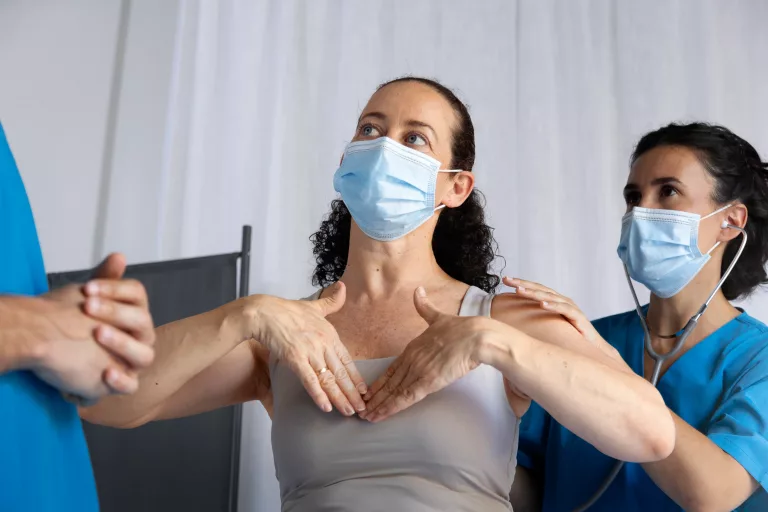
Most people recover fully from COVID-19. However, some continue to experience fatigue, shortness of breath, palpitations, difficulty concentrating, or other symptoms for weeks or months. This condition is commonly known as Long COVID or post-COVID condition.
Rehabilitation may help patients regain function, adapt to limitations, and improve their quality of life. It must, however, be tailored to each person’s symptoms. For some patients, increasing physical activity too quickly can cause a significant relapse.
Respiratory physical therapy and exercise should begin after a professional assessment, rather than by following a general routine found online.
What Is Long COVID?The World Health Organization defines post-COVID condition as a range of symptoms that usually begin within three months of the initial infection and last for at least two months, with no other condition providing a better explanation.
Symptoms may:
- Continue from the initial infection.
- Begin after an apparent recovery.
- Improve and later return.
- Change in severity over time.
- Affect one or more body systems.
- Limit work, school, exercise, and daily activities.
The WHO estimates that approximately 6 in every 100 people who have COVID-19 develop post-COVID condition. Estimates vary, and much of the available information comes from infections during the early years of the pandemic. The overall risk appears to have declined, but each new infection still carries a risk of Long COVID.
Who Can Develop Long COVID?Anyone who has been infected with SARS-CoV-2 can develop persistent symptoms, even when the initial illness was mild and did not require hospitalization.
The risk may be greater in:
- People who had severe COVID-19.
- Patients who required hospitalization or intensive care.
- People with repeated infections.
- Older adults.
- Women.
- People who smoke.
- People who are overweight or have obesity.
- Patients with chronic health conditions.
- People with disabilities or limited access to healthcare.
Long COVID can also affect young adults, teenagers, and people who were previously healthy.
Common Long COVID SymptomsMore than 200 symptoms have been associated with Long COVID. Not everyone experiences the same symptoms or level of severity.
General symptoms- Fatigue that interferes with daily life.
- General weakness.
- Fever or feeling feverish.
- Sleep problems.
- Muscle or joint pain.
- Symptoms that worsen after activity.
- Shortness of breath.
- Persistent cough.
- Chest pain or pressure.
- Heart palpitations.
- Rapid heart rate.
- Reduced exercise tolerance.
- Feeling faint.
- Difficulty thinking or concentrating.
- Memory problems.
- Headaches.
- Dizziness when standing.
- Tingling sensations.
- Changes in taste or smell.
- Anxiety or depression.
- Abdominal pain or diarrhea.
- Menstrual changes.
- Skin rashes.
- Difficulty speaking or swallowing.
Symptoms may fluctuate, and routine test results can sometimes be normal. The CDC states that laboratory or imaging findings should not be used as the only measure of a patient’s well-being.
There is currently no single test that can confirm or rule out Long COVID. Diagnosis is based on medical history, symptoms, physical examination, and appropriate testing to exclude other possible causes.
What Is Post-Exertional Malaise?Post-exertional malaise, or PEM, is one of the most important symptoms to assess before beginning rehabilitation.
PEM is the worsening of symptoms after physical, cognitive, emotional, or social activity that would previously have been manageable.
It may cause:
- Severe fatigue.
- Increased brain fog.
- Muscle pain or headache.
- Palpitations.
- Shortness of breath.
- Sleep problems.
- A flu-like feeling.
The worsening may not occur during the activity itself. It often appears 12 to 48 hours later and can last for days or even weeks.
A person may feel reasonably well while walking or exercising and experience a major relapse the following day. In these situations, advice to “do a little more every day” may make the condition worse.
Should Everyone With Long COVID Exercise?No. Exercise may benefit some patients, but it is not appropriate for everyone.
Healthcare professionals must distinguish between physical deconditioning and post-exertional symptom exacerbation.
Physical deconditioning without PEMAfter hospitalization or an extended period of inactivity, some patients lose strength, mobility, and endurance. If they do not have PEM, oxygen desaturation, or untreated cardiac or respiratory complications, they may benefit from a supervised rehabilitation program.
Depending on the assessment, this may include:
- Gentle mobility exercises.
- Progressive strengthening.
- Low-intensity aerobic activity.
- Practice of daily tasks.
- Respiratory rehabilitation when indicated.
- A gradual return to work or sports.
The intensity should be guided by the patient’s response rather than a predetermined schedule.
Long COVID with PEMWhen activity causes delayed symptom worsening, increasing exercise is not the initial goal. The priority is to stabilize symptoms and prevent repeated cycles of overactivity and relapse.
Management may include:
- Pacing.
- Distributing activities throughout the day.
- Planning breaks before exhaustion begins.
- Energy conservation.
- Keeping an activity and symptom diary.
- Identifying triggers.
- Adjustments at home, school, or work.
Activity should only be increased when it is stable and does not cause worsening during the following days.
The WHO recommends energy-conservation strategies for patients with post-exertional symptom exacerbation. Physical exercise training should only be considered cautiously when this pattern is absent.
What Does Respiratory Physical Therapy Involve?Respiratory rehabilitation does not simply mean taking several deep breaths each day. Treatment depends on the cause of the breathing difficulty and the findings from a clinical assessment.
Before recommending exercises, the specialist may evaluate for:
- Breathing-pattern disorders.
- Hyperventilation.
- Respiratory muscle weakness.
- Residual lung disease.
- Persistent cough.
- Airway secretions.
- Oxygen desaturation during activity.
- Anxiety associated with breathing.
- Post-exertional malaise.
Depending on the findings, treatment may include:
- Breathing-pattern retraining.
- Nasal breathing.
- Diaphragmatic control.
- Positions that help reduce breathlessness.
- Airway-clearance techniques when indicated.
- Pacing during daily activities.
- Education about warning signs.
- Carefully prescribed physical activity when safe.
Not every patient needs the same exercises. An unsuitable program may increase dizziness, hyperventilation, fatigue, or palpitations.
Assessment Before RehabilitationBefore starting exercise or cardiopulmonary physical therapy, the healthcare team should review the patient’s medical history and rule out conditions that need specific treatment.
The assessment may include:
- Symptom development since the infection.
- Heart rate and blood pressure.
- Oxygen saturation at rest.
- Response to standing.
- Ability to perform daily activities.
- Symptoms during and after exertion.
- Sleep quality.
- Cognitive and emotional health.
- Previous medical conditions and medications.
Depending on the symptoms, a clinician may request an electrocardiogram, blood tests, pulmonary function tests, an echocardiogram, or imaging studies. Not every patient needs every test.
The WHO recommends ruling out and managing cardiac impairment and exertional oxygen desaturation before considering physical exercise training.
Dysautonomia and Orthostatic IntoleranceSome people with Long COVID develop problems involving the autonomic nervous system, which regulates functions such as heart rate and blood pressure.
Orthostatic intolerance may cause:
- Dizziness when standing.
- Palpitations.
- Blurred vision.
- Weakness.
- Headaches.
- Feeling faint.
- Difficulty remaining upright.
- Worsening after heat exposure or a hot shower.
These symptoms require medical assessment and should not automatically be attributed to poor physical conditioning.
Management may include education, changes in position, activity adjustments, environmental modifications, and additional measures prescribed by the medical team.
Goals of Long COVID RehabilitationRehabilitation aims to improve function and quality of life, but goals must be realistic and personalized.
Depending on the patient, they may include:
- Improving breathing control.
- Completing daily activities with fewer symptoms.
- Regaining strength when safe.
- Managing fatigue and conserving energy.
- Improving balance and mobility.
- Reducing the frequency of relapses.
- Gradually returning to work or school.
- Adapting the home or workplace.
- Increasing independence.
For some patients, the first meaningful improvement may not be walking farther. It may be taking a shower, preparing a meal, or working for a few hours without feeling significantly worse the following day.
A Multidisciplinary ApproachLong COVID can affect several body systems. Care does not always depend on physical therapy alone.
Depending on the symptoms, the healthcare team may include professionals in:
- General or Internal Medicine.
- Physical Medicine and Rehabilitation.
- Pulmonology.
- Cardiology.
- Neurology.
- Cardiopulmonary physical therapy.
- Occupational therapy.
- Psychology or Psychiatry.
- Nutrition.
- Speech and swallowing therapy.
The treatment plan should focus on the symptoms that most affect the patient and on goals agreed upon through shared decision-making.
There is currently no single treatment that cures Long COVID. However, specific medical problems can be treated, symptoms can be managed, and rehabilitation may help patients function more safely in daily life.
When Should You Stop Exercising and Seek Medical Care?Stop the activity and seek medical attention if you develop:
- Chest pain or pressure.
- Severe or worsening shortness of breath.
- Fainting.
- Low or decreasing oxygen saturation.
- Persistent palpitations.
- New confusion.
- Weakness on one side of the body.
- Sudden difficulty speaking.
- Coughing up blood.
- A sudden, severe headache.
- Rapid deterioration.
These symptoms should not automatically be considered part of Long COVID. Cardiac, pulmonary, and neurological complications may require urgent treatment.
Reducing the Risk of Another InfectionEach SARS-CoV-2 infection carries another risk of developing Long COVID. To reduce that risk:
- Stay up to date with the COVID-19 vaccination recommended for your age and health.
- Stay home when you have respiratory symptoms.
- Improve ventilation in indoor spaces.
- Wear a well-fitting mask when you are sick, recovering, or in a high-risk setting.
- Avoid crowded, poorly ventilated spaces if you are at increased risk of severe illness.
- Consider testing when it may guide treatment or help protect other people.
- Seek medical care early if you have risk factors, as some treatments must begin within the first few days.
- Cover coughs and sneezes.
- Wash your hands with soap and water or use an alcohol-based hand sanitizer when soap is unavailable.
Vaccination primarily reduces the risk of severe disease. Current evidence also indicates that it may lower the likelihood of developing Long COVID.
Long COVID Rehabilitation in Los CabosIf you continue to experience fatigue, shortness of breath, palpitations, dizziness, or difficulty returning to daily activities after COVID-19, a professional assessment can help determine which type of rehabilitation is appropriate.
The climate in Los Cabos may also affect symptoms. Heat can worsen fatigue, palpitations, and orthostatic intolerance, so hydration, timing, and the rehabilitation environment should be considered.
Do not begin an intense exercise program on your own. Rehabilitation should respect your limits and consider how you feel during the following days—not only during the activity itself.
Schedule a Rehabilitation Assessment in Los CabosAre you still experiencing fatigue or shortness of breath after COVID-19? Our specialists can assess your breathing, activity tolerance, and rehabilitation needs to create a safe and personalized plan.
Schedule an appointment with our specialists in Los Cabos via WhatsApp:
📲 +52 (624) 151 0693
If you have severe chest pain, serious breathing difficulty, fainting, confusion, or sudden deterioration, go directly to the Emergency Department.
Frequently Asked Questions1. What is Long COVID?
Long COVID is a condition in which symptoms persist, appear, or return after the initial infection. It may affect several body systems and limit daily activities.
2. How long can Long COVID last?The duration varies. Many people improve gradually over several months, while some continue to experience symptoms for a year or longer.
3. Is there a test for Long COVID?No single test can confirm or rule it out. Diagnosis is based on medical history, symptoms, physical examination, and appropriate studies to exclude other conditions.
4. Should I exercise if I have Long COVID?It depends on your symptoms. Exercise may help when physical deconditioning is present without PEM. If activity causes delayed worsening, rehabilitation should prioritize pacing and energy management.
5. What is post-exertional malaise?It is the worsening of symptoms after physical or mental activity. It may begin 12 to 48 hours later and last for days or weeks.
6. Can respiratory physical therapy help?It may help when a specific breathing problem has been identified. Exercises should be selected according to the cause of breathlessness rather than prescribed equally to every patient.
7. How do I know if I am doing too much?A key warning sign is feeling significantly worse during the hours or days after activity. Keeping a symptom and activity diary can help identify triggers.
8. What is pacing?Pacing is a strategy for planning and adjusting activities according to the energy available, with rest periods scheduled before exhaustion or symptom worsening occurs.
9. Can I return to work during rehabilitation?Yes, but some people need a phased return, flexible schedules, extra breaks, remote work, or temporary adjustments to their responsibilities.
10. When should I go to the Emergency Department?Seek immediate care for severe chest pain, serious breathing difficulty, fainting, confusion, sudden weakness, speech problems, or low oxygen saturation.





Trending Topics
Stroke: Symptoms, Causes & Treatment
Learn how to recognize stroke symptoms, understand its causes, and why emergency treatment can save brain function and lives.
Varicocele
Symptoms, Causes, Diagnosis, and Treatment to Protect Men's Health
Pregnancy infections (TORCH)
Risks, testing, and prevention
Anemia in Women of Reproductive Age
Symptoms, Causes, and Prevention
Health Library
Coronavirus (COVID-19)
- ¿Necesitas una cita con un Especialista?
- llámanos
- escríbenos
- Conéctate

